










Aluminium modern and traditional casement windows
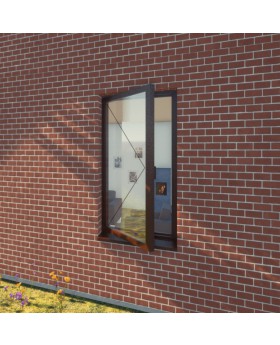
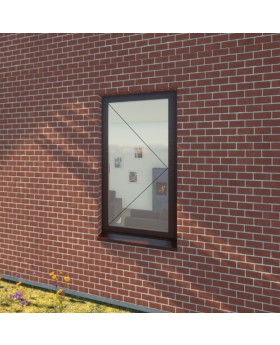
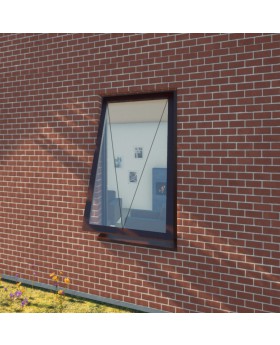
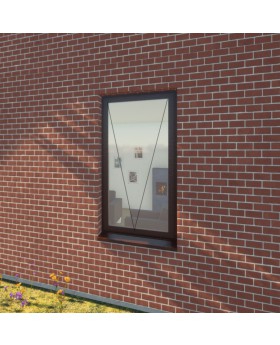
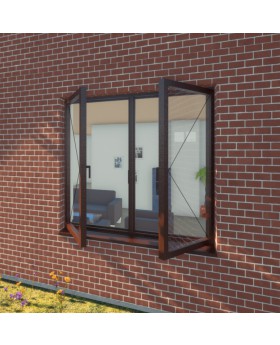
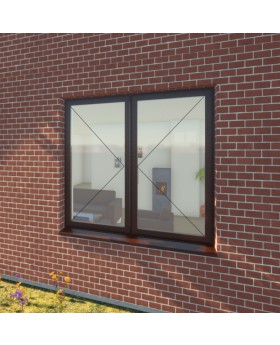
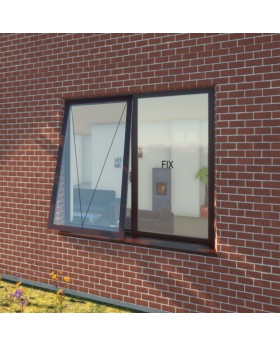
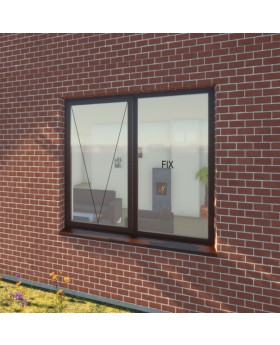
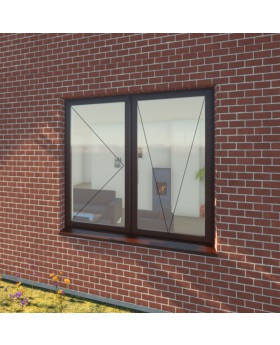
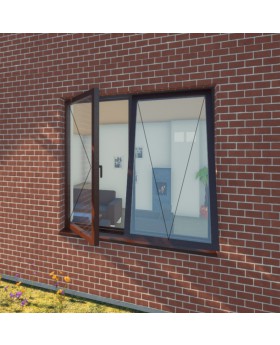
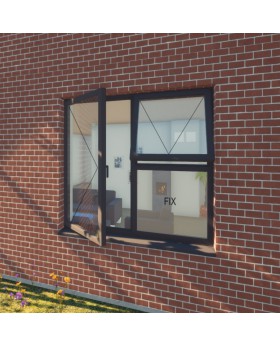
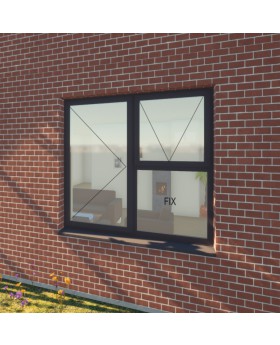

Casement windows effortlessly combine aesthetic appeal, security, and practicality, which is why they are a favorite choice among homeowners. As the most commonly installed window type, casement windows feature hinges on the side, top, or bottom and open outward to offer excellent ventilation. They come in a variety of styles, sizes, and colours to suit any home design. Our team of window specialists provides comprehensive guidance on everything you need to know about casement windows—from costs to selecting the perfect style—making your decision straightforward and informed.
What are casement windows?
Casement windows function using a hinge system that connects the window to the side, top, or bottom of the frame, allowing it to open either outward to the left or right, or inward, depending on the specific design. They are operated by a small latch or crank handle positioned opposite the hinges, which also acts as a locking mechanism to keep the window securely closed or firmly held open. The popularity of casement windows stems from their ability to offer superior ventilation, clear views, improved security, and energy efficiency. Additionally, most manufacturers offer a variety of casement window styles to choose from.
Single casement
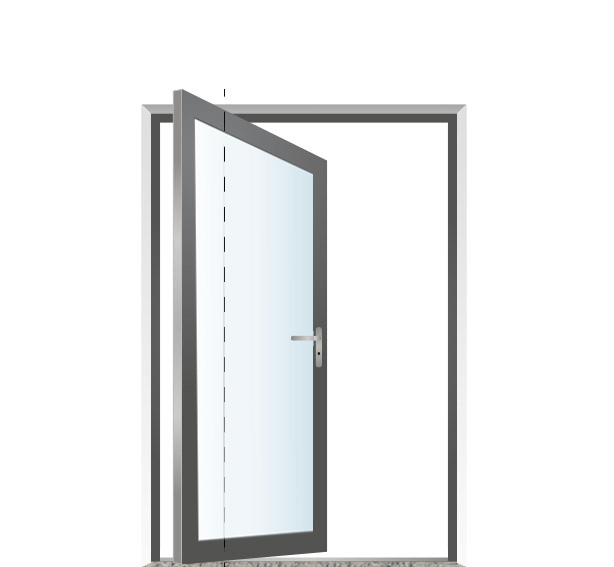
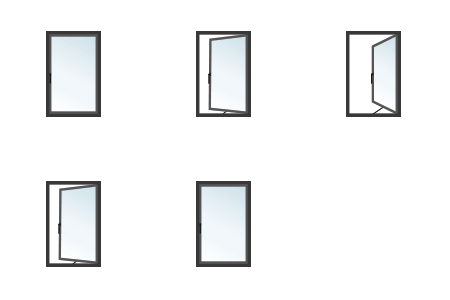
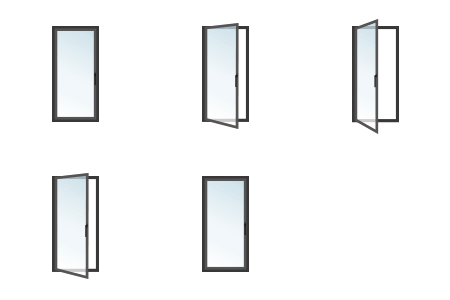
Single casement windows feature a single large glass pane attached with hinges on one side, enabling them to open either inward or outward. Their straightforward design is both stylish and adaptable, making them suitable for a wide range of architectural styles, from classic to modern.
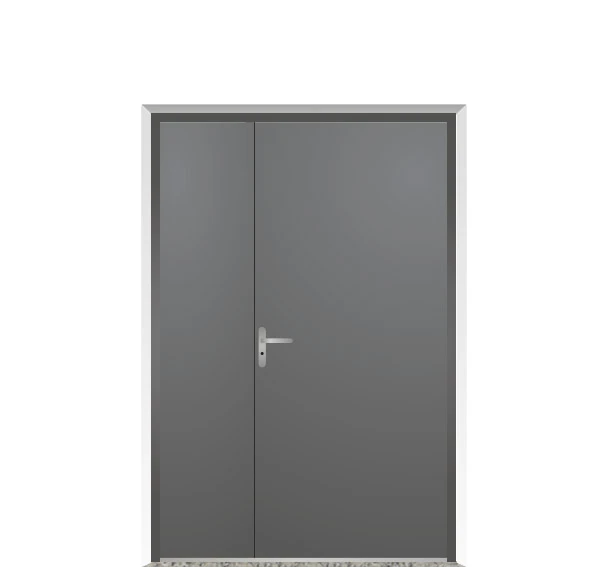
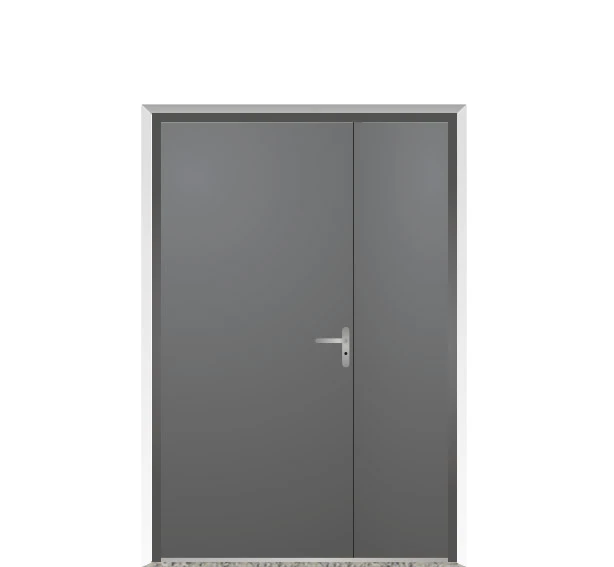
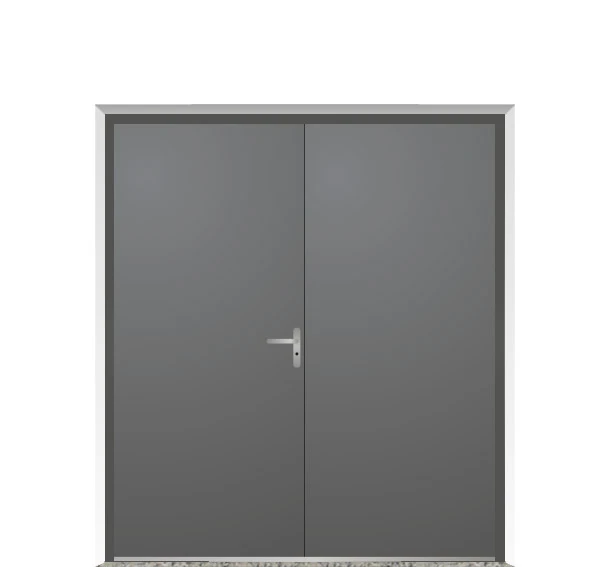
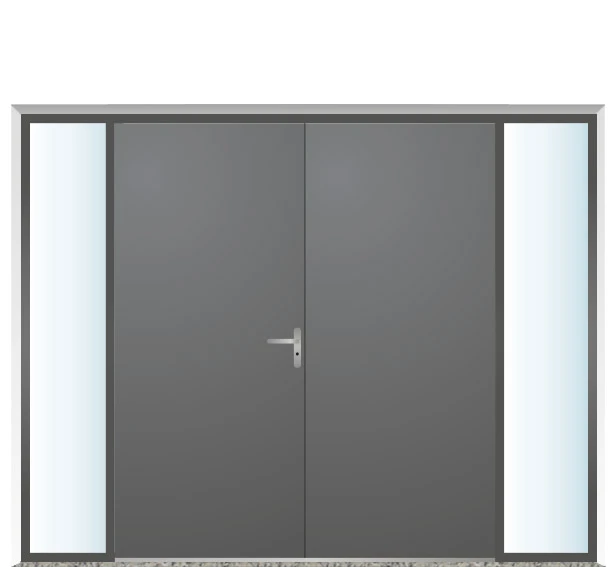
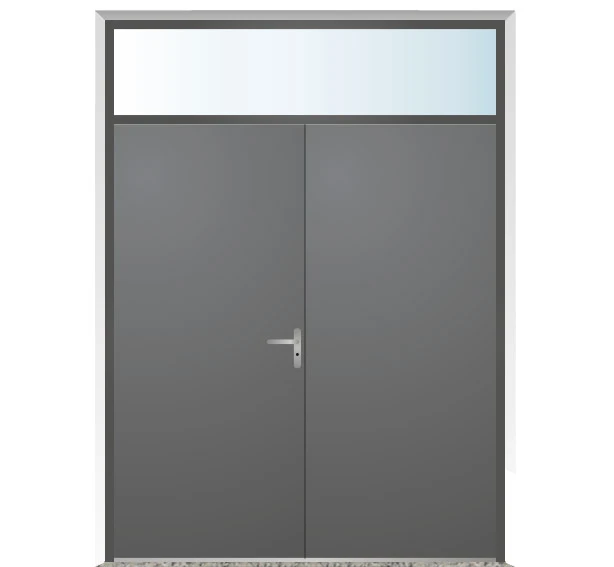
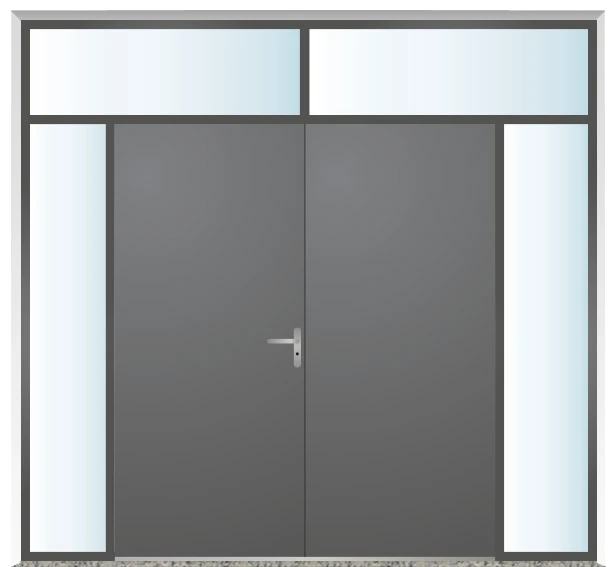
Double, or French, casement
Push-out casement
Push-out casement windows feature straightforward handles that enable manual opening without the need for additional mechanisms. Unlike traditional casement windows operated by a crank, the push-out style offers a cleaner, more streamlined appearance, making it an ideal choice for designs that prioritize a minimalist and uncluttered aesthetic.
Swing-in casement
Swing-in casement windows are engineered to open inward, making them especially practical when exterior obstructions hinder outward opening. This inward-opening feature also makes cleaning the windows from inside the building much more convenient. Available in a variety of styles and operating mechanisms, casement windows cater to a broad range of homes, effortlessly complementing any architectural style while delivering excellent functionality, enhanced security, and improved energy efficiency. Their versatility in adapting to different design preferences and practical needs has made them a favored option in many residential environments.
Before choosing the ideal window style for your home, it’s important to carefully consider the advantages and disadvantages.
Casement windows offer several benefits: they provide excellent ventilation by opening fully, allowing maximum fresh air to flow indoors. Their tight seal when closed helps minimize air leaks, enhancing energy efficiency. With fewer frames and mullions, casement windows deliver unobstructed, clear views of the outside. Additionally, they offer strong security since they cannot be opened from the outside once securely closed.
However, there are some drawbacks to keep in mind. Casement windows have size constraints, typically unsuitable for openings taller than 170cm due to the mechanics involved. Because they usually open outward, they require sufficient exterior clearance, which can be challenging in confined spaces or near walkways. Furthermore, their outward-opening design makes them more vulnerable to harsh weather conditions like strong winds and heavy rain, which could lead to water infiltration and potential weather-related damage.
What is the price range for purchasing casement windows?
The price of casement windows can vary greatly depending on several key factors such as size, frame material, and the type of glazing used. Overall, casement windows tend to provide good value for money, especially when you consider their energy efficiency, which can result in significant savings on heating and cooling bills over time.
Size plays a major role in determining the cost. Larger casement windows require more materials for both the frame and glass, and their increased weight means sturdier hardware is needed to ensure smooth operation. As a result, bigger windows generally come with a higher price tag.
The choice of frame material also impacts the cost. Common options include uPVC, aluminium, and timber. uPVC is usually the most affordable choice, offering decent insulation and minimal upkeep. Timber windows, while often more expensive, are prized for their natural beauty, excellent thermal properties, and durability, though they do require regular maintenance. Aluminium frames are durable and feature sleek, slim profiles but may be less energy efficient unless they include a thermal break—a small gap between the glazing panes designed to reduce heat transfer.
Glazing type is another important factor affecting price. Double glazing, which consists of two glass panes separated by an air or gas-filled space, is the standard in most modern windows and provides improved insulation and energy savings compared to single-pane units. Triple glazing, which adds a third pane, offers even better energy efficiency and noise reduction. While triple glazed windows can cost 10 to 20% more than double glazed ones, they may be worth the investment in very cold climates or if you want to lower your energy costs significantly.

Casement windows are in fashion because they are comfortable, safe and easy to use. Surely you are also interested in double casement windows. If so, you've come to the right place because at Domadeco we tell you why you should choose this type of opening.
Reasons to choose casement windows
This kind of openings are those that allow you to slide them outward or inward. They use a crank handle. This is ideal because you can open or close them depending on the weather conditions. They are made of many materials such as aluminium casement windows. But there are also upvc casement windows that are solid.
Thermal and acoustic insulation
The main reason why you should choose this type of windows is because they guarantee thermal insulation. That is to say, they reduce heat transmission, so you will have a well-conditioned space. They also have acoustic insulation, so you will avoid annoying noises. Double glazed casement windows are important for both aspects.
Easy to clean
Worried about having to clean the dirt that accumulates? These windows are easy to clean. With them, you can easily maintain the frame, trim, sashes, glass, hinges and handle. That's because you can slide them out of the way when you need to clean up.
Good ventilation
Can't stand the heat of the inclement summer? This type of window is the solution for that! It guarantees you good ventilation. Open them when temperatures are high and close them on those winter days. You will have a cool place 12 months of the year and without having to make a lot of investment.
Elegant Styles
These openings will give your space the elegance, distinction and originality you crave. Choose among the different styles and designs that guarantee a sophisticated decoration. You can install modern casement windows if you want an innovative atmosphere. Choose traditional casement windows when you prefer a more typical place.
Different locations
They can fit in any corner of your home, office or building. Place them in the middle so that they are visible. However, it is possible to put them in lower areas. For this purpose, you can use flush casement windows. There are also top hung casement windows when you need to install them in the upper areas.
Many ways to open
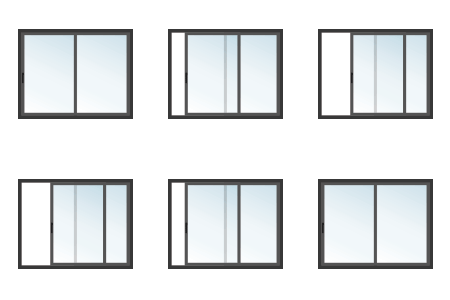
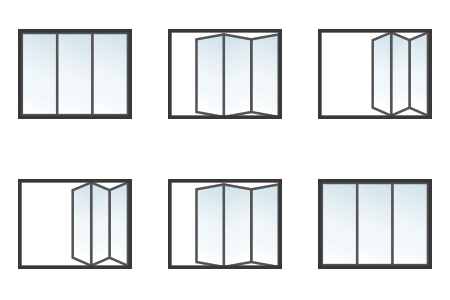
Another reason why you should choose them is because of the many ways they open. Among them is the option to slide them horizontally and also vertically. That's what triple casement windows are for, providing you with quality and strength. .