














-
-
-
-
-
-
-
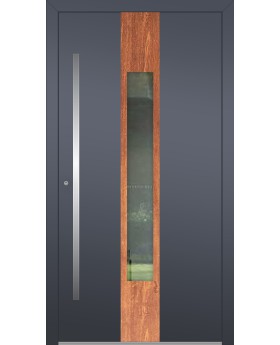
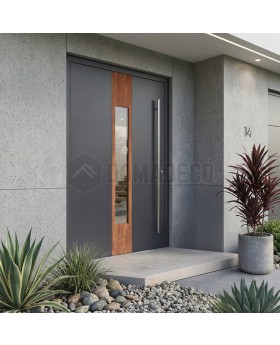
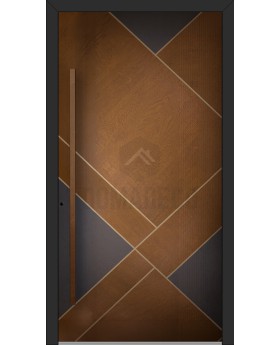
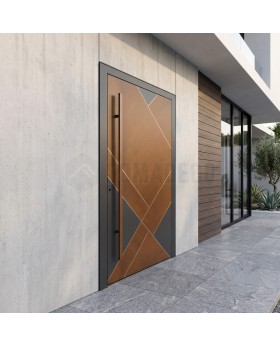
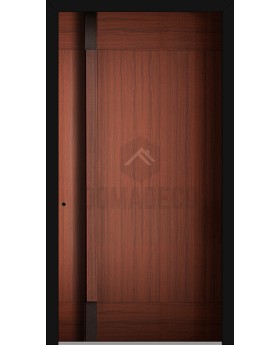
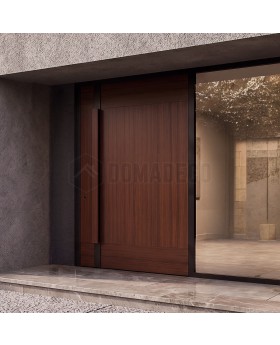
 LIM V24 - Modern Front Door with Milled Grooves and Accents$6,380.00
The price includes TAX & shipping
-
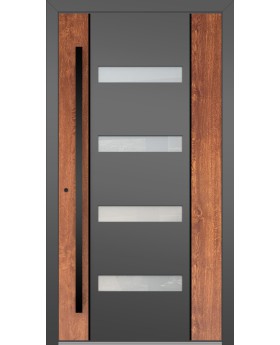
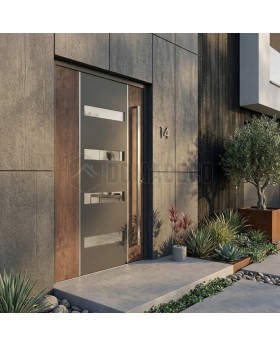
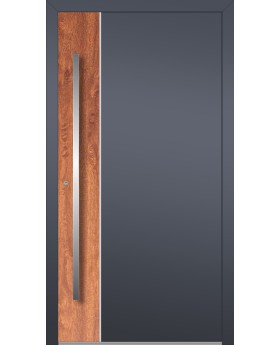
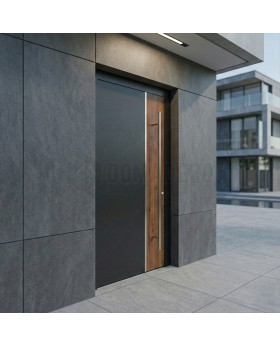
LIM V23 - Modern Front Door with Milled Grooves and Accents$6,560.00
The price includes TAX & shipping
-
-
-
-
-
LIM Mors - exclusive modern aluminum door with unique design$5,760.00
The price includes TAX & shipping
-
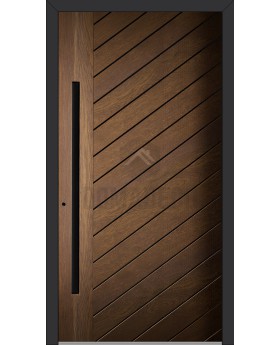
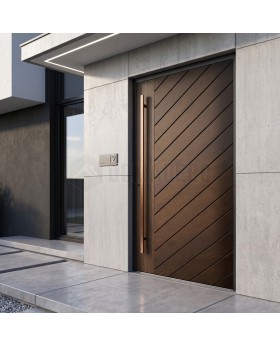
LIM RAIL6 - aluminum front door with black vertical slats made of aluminum profiles$6,240.00
The price includes TAX & shipping
Are wood-look aluminum doors better than solid wood?
Definitely. Wood-look aluminum doors give you the beautiful, warm aesthetic of real wood, but without any of the headache. Because they’re made of aluminum, you don't have to worry about them warping, rotting, or needing a fresh coat of paint every few years. They’re a true "set it and forget it" solution that handles unpredictable US weather beautifully, offering all the classic style of wood with zero tedious upkeep.
How realistic are wood-look aluminum doors?
Incredibly realistic. Thanks to advanced finishing techniques like woodgrain foiling and powder coating, these doors capture the exact look and feel of genuine wood. You can choose from stunningly accurate finishes like classic oak, rich walnut, or rosewood, complete with a textured grain that easily fools the eye.
How energy-efficient are wood-look aluminum doors?
Highly efficient. Beneath that faux-wood exterior, these aluminum doors are packed with smart insulation and thermal breaks designed to keep the cold out. They do a brilliant job of trapping your home's heat inside, making your space much more energy-efficient and helping to keep those utility bills down when harsh winter weather hits.
Are wood-look aluminum doors hard to maintain?
Not at all—in fact, that’s one of their biggest perks. Unlike real wood, you’ll never have to waste a weekend sanding, staining, or repainting your front door. A quick wipe-down with warm, soapy water every now and then is all it takes to keep them looking brand new.
Can I customize a wood-look aluminum door?
Absolutely. You have almost total control over how they look. You can pick from a wide range of realistic woodgrain finishes to match the exact vibe of your home. Whether you're after a classic paneled front door, a sleek flush design, or even larger French doors and bifold doors, it’s incredibly easy to tailor them to suit any architectural style.

Front doors covered sublimated wood
Woodgrain doors made from alternative materials are expertly crafted to mimic the authentic aesthetic of natural timber. They are available in a variety of classic wood finishes, including rich walnut, mahogany, rosewood, oak, and Irish oak. Beyond just color, these doors are designed to accurately replicate the tactile texture of natural wood grain. The exact technique used to achieve this highly realistic finish depends entirely on the door's base material and the specific manufacturing process applied.
Aluminum sublimation is a highly sought-after technology across the window, door, and architectural design industries. Wood-effect aluminum is the ultimate solution for outdoor profiles and exterior cladding. It flawlessly combines the organic warmth and visual appeal of natural wood with the exceptional strength, cost-efficiency, and zero-maintenance benefits of aluminum. Thanks to its outstanding resistance to UV radiation and harsh weather, it guarantees beautiful, long-lasting performance.
The production of wood-effect aluminum relies on a sophisticated thermal sublimation technique. The comprehensive process includes thorough surface preparation, the application and curing of a polyester powder base, and the final sublimation bake.
Following the initial powder coating, the entire aluminum extrusion is encased in a specially printed transfer bag. All air is extracted to create a vacuum seal, ensuring tight contact. The profile is then subjected to 200°C heat in a sublimation oven, which causes the patterned inks to transfer and permanently embed themselves into the powder-coated substrate. A major architectural advantage of this method is its ability to seamlessly coat complex two- and three-dimensional profiles, creating an impenetrable bond. Although widely utilized for timber replication on doors, this same process is also applied across various industries to simulate stone and granite on metals, plastics, and ceramics.