














-


-


-


-


-


-


-

-
-
-
-
-
-
-
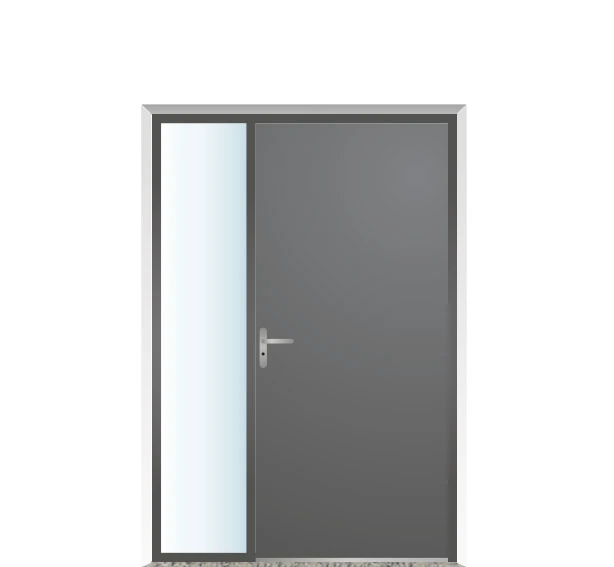
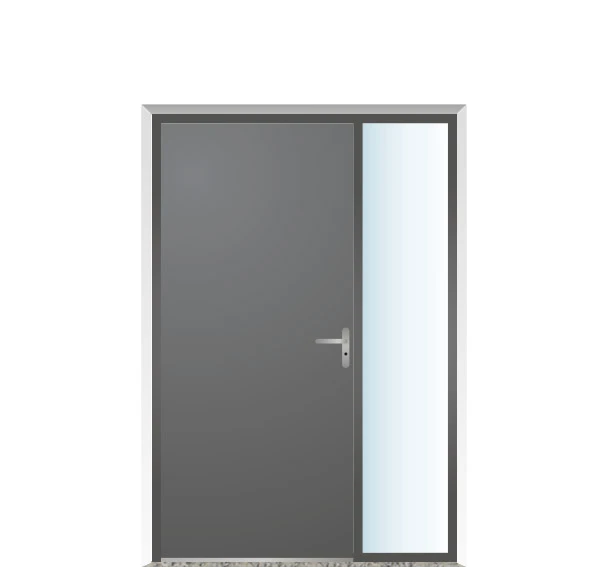
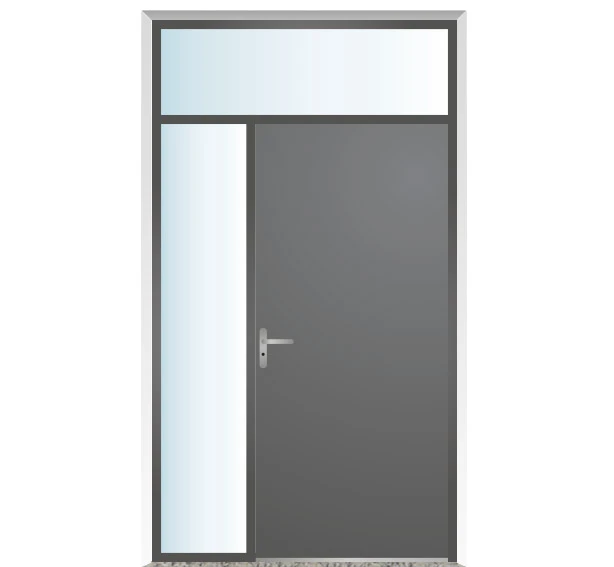
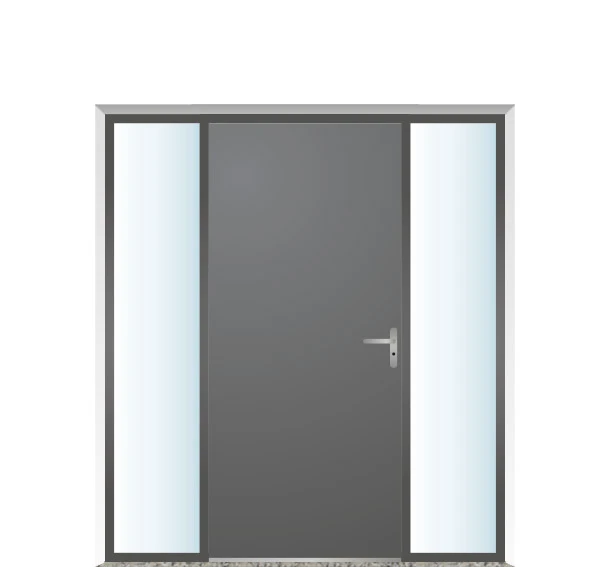
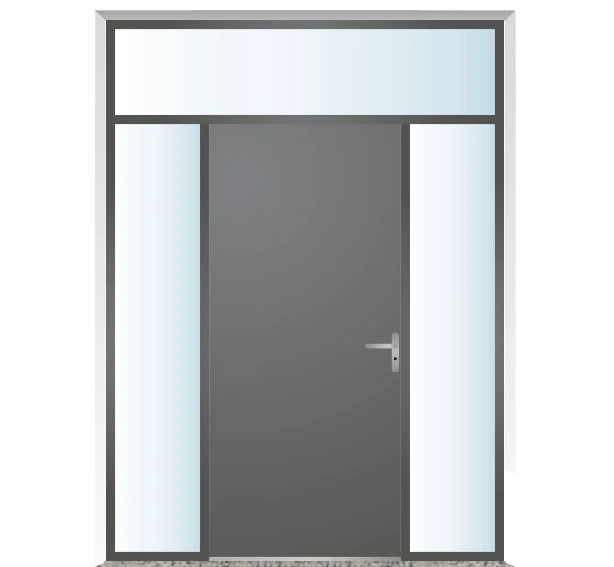
LIM CL06 - classic aluminum hinged front door with glass$6,470.00
The price includes TAX & shipping
-
-
-
-
-
-
-
-
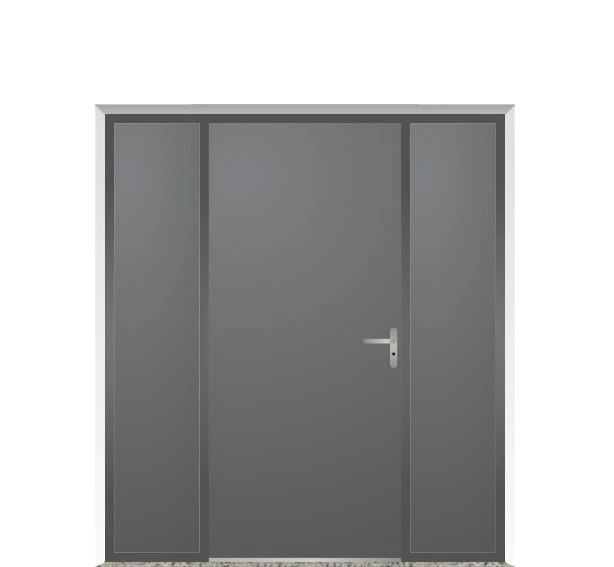
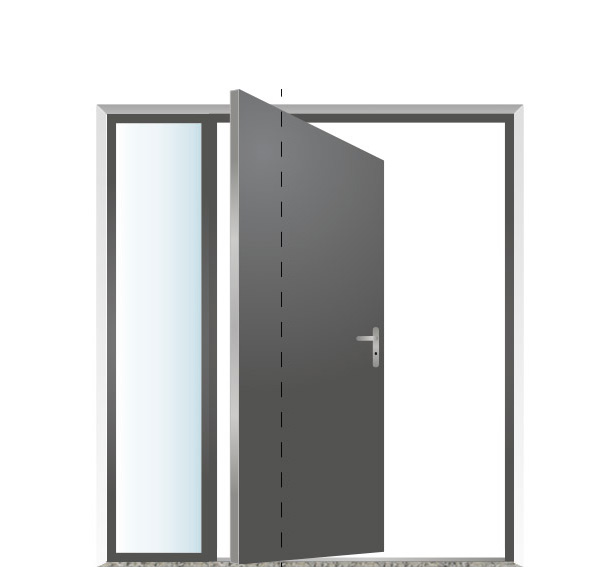
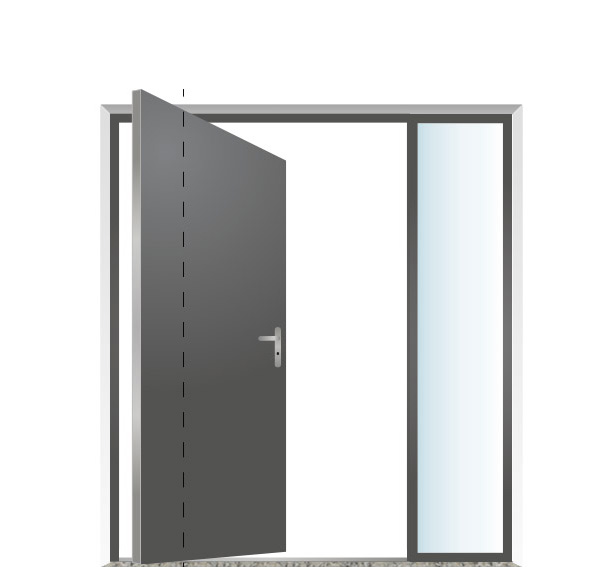
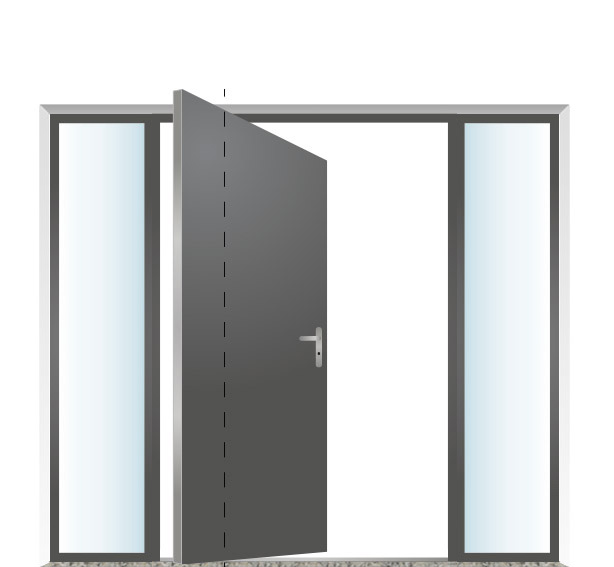
PIVOT CL05 - classically styled traditional aluminum pivot door$10,080.00
The price includes TAX & shipping
-
-
PIVOT CL12 - Classic design aluminum pivot door for home$11,470.00
The price includes TAX & shipping
-
-
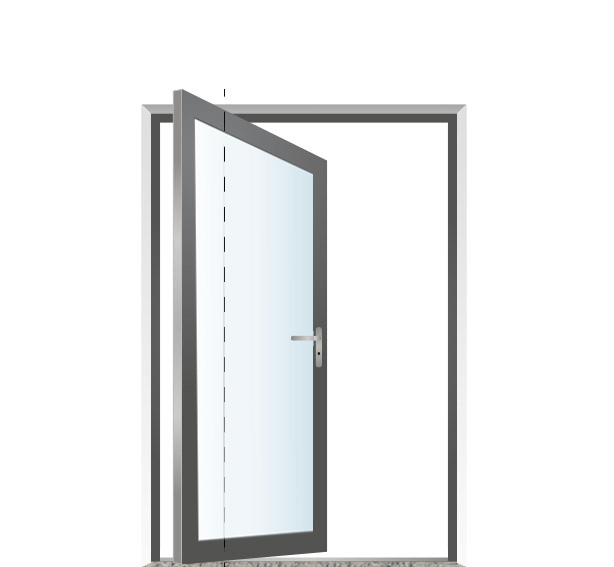
PIVOT CL05S - classically glazed traditional aluminum pivot door$10,540.00
The price includes TAX & shipping
-
PIVOT CL06 - classically styled traditional aluminum pivot door with glass$10,540.00
The price includes TAX & shipping
-
PIVOT CL11 - glazed traditional aluminum pivot door with decorative frame$10,170.00
The price includes TAX & shipping
-
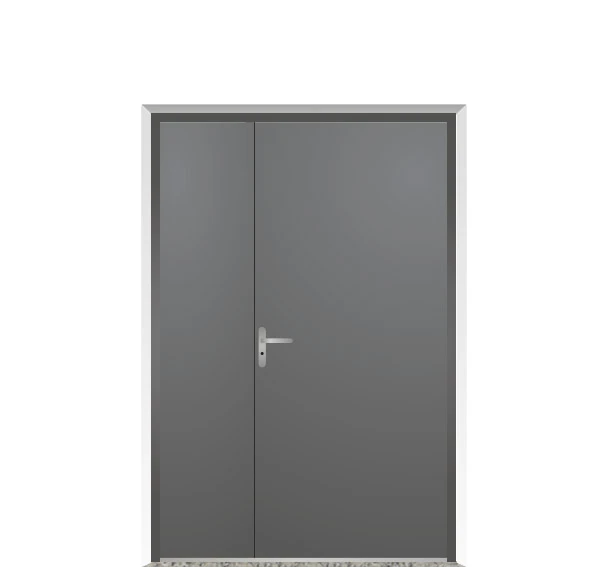
LIM CL12 double - classic design aluminum double door for home$12,720.00
The price includes TAX & shipping
-
LIM CL07 double - traditional style double aluminium entry door$13,450.00
The price includes TAX & shipping
-
LIM CL11 double - glazed traditional double entrance door$12,930.00
The price includes TAX & shipping
-
LIM CL05S double - classically styled traditional aluminum double hinged door with glass$12,930.00
The price includes TAX & shipping
-
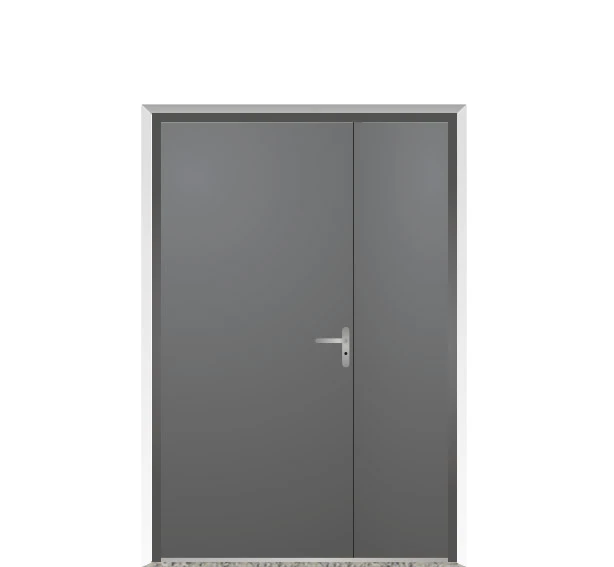
LIM CL01 double - traditional style double aluminum front door$12,720.00
The price includes TAX & shipping
-
LIM CL05 double - classically styled traditional aluminum double hinged door$12,720.00
The price includes TAX & shipping
FAQ
What are external traditional doors?
If you have a period property, cottage, or heritage home, a traditional front door is the perfect fit. Usually made from solid or engineered wood, they feature those classic paneled designs that look completely at home on Georgian, Victorian, or Edwardian builds. The best part? You get that timeless, historical charm without having to sacrifice modern security or insulation.
Can traditional front doors handle American weather?
Wondering if a traditional wooden front door can handle American weather? Yes, but there's a catch—it really depends on your zip code. The US climate is all over the place, from brutal midwestern blizzards to the baking, humid heat of the South. While solid wood doors are stunning, they have a habit of warping, shrinking, or swelling when exposed to wild temperature swings and heavy rain. If your entryway has a deep porch or an awning to block the worst of the elements, and you're okay with occasional maintenance like resealing, a traditional wood door will do just fine. But if your door faces the elements full-on, you might want to look at engineered wood or fiberglass alternatives. They give you that exact same classic, heritage look, minus the weather-related headaches
Can you customize traditional front doors?
Absolutely. Traditional front doors are fully customizable. You can get them custom-made in just about any size, finish, or stain, and choose from a wide range of historic paint colors. To really nail that authentic, classic look, you can even add decorative glass and vintage-style hardware.
Are traditional external doors secure?
You don’t have to sacrifice safety to get that classic look. Today’s traditional front doors give you the best of both worlds—historic charm backed by modern security. Behind that vintage design, you can easily add multi-point locks, reinforced frames, high-security cylinders, and toughened glass to keep your home completely safe.
Where do traditional front doors work best?
These traditional doors aren't just for the main entryway—they look fantastic as side or back doors, too. They’re a perfect match for older period properties, cozy country homes, and even newer builds that want a classic vibe. People love them because they let you keep all that beautiful, architectural charm without having to give up modern perks like great insulation and solid security.

No matter if you reside in a classic Georgian townhouse, a Victorian terrace, or a contemporary new build, an elegantly crafted front door is essential for making your property stand out. It significantly elevates your home's curb appeal while offering a preview of the interior's style. Beyond visual aesthetics, a bespoke door ensures exceptional weather resistance, boosts your property's overall market value, and delivers reliable security for complete peace of mind. One of the primary privileges of homeownership is the ability to personalize your space—particularly the exterior, which dictates that crucial first impression. This month, we are spotlighting classic front doors and sharing expert advice on creating a visually striking entryway, regardless of your home's architectural era.
Lavish Victorian Style: Bold Hues to Spark Your Imagination
Even though this entrance features authentic Victorian detailing and relies on time-honored craftsmanship, it bursts with modern character. The Victorian period was incredibly eclectic, and homeowners back then—much like today—loved to showcase their prosperity and refined taste through striking, memorable entryways. While yellow wasn't a traditional hue of the 19th century, it has evolved into a highly sought-after shade for its ability to radiate joy and optimistic energy. Thanks to our expertly selected colour palette, you can easily infuse a vibrant, contemporary edge into a classic door design, making it the perfect fit for both historic properties and newly built residences.
Classic Georgian Style – Architectural Door Accents
Raised panels offer a strong, majestic appearance, while bold colors provide a playful contrast to minimalist Georgian designs. Historically, these doors were always painted, never left bare. If you want a classic look with a vibrant twist, elegant shades of blue are highly recommended.
To match the grand architecture of the 1800s, door hardware became highly decorative, with brass serving as the ultimate status symbol. Today, brass fixtures are experiencing a major revival, beautifully adding warmth, luxury, and opulence to classic front door styles.
Edwardian Grandeur: Classic Art Glass with a Contemporary Edge
Embrace the Edwardian aesthetic if you are looking to infuse your entrance with timeless traditionalism and distinct character. Serving as a refreshing departure from the heavier Victorian designs, this period introduced a lighter, more feminine approach, popularising pale colour palettes and championing the Arts and Crafts movement. As glass manufacturing became more affordable, Edwardian entryways prominently featured elaborate stained glass elements. Intricate, hand-painted motifs—such as birds, ribbons, and floral patterns—beautifully bound with lead, were in exceptionally high demand. In our workshop today, we preserve these time-honored glazing methods, whether we are restoring antique glass or crafting bespoke, personalised designs. For a contemporary update on a classic door, consider scaling up your glass patterns or experimenting with bold colour combinations to achieve a striking.
Nostalgic Revival: A Harmonious Mixture of Styles
The 1920s and 30s introduced the sophistication of Art Deco—a striking blend of contrasting colors, sleek lines, and bold geometric shapes. Today, this retro fusion is perfect for homeowners wanting to add personality and an unforgettable "wow" factor to their entryway. Classic Art Deco doors generally feature subtle exterior colors paired with highly decorative upper glass panels. Featuring iconic sunbursts or distinct geometric patterns, these glazed details give the door a uniquely playful and nostalgic charm.