














Furniture
The living room is a place where we can have a rest and we can relax alone, with family and friends. It is worth to arrange it and to choose good furniture. In this article we will consider about how to arrange the living room in the modern or vintage way.
The room called living room need to perform many different functions. The main thing is that it should be a place where each member of our family could rest for a while. That is why furniture that is in it should not only be nice but also functional and comfortable. How to decorate your salon and what style to choose? We hope that these few suggestions will help you make the right decision.
The modern furniture
This type of living room furniture is usually characterized by an exquisite form. It often resembles objects known from science fiction films. Nowadays it is also associated with minimalism in color, white, gray or black. Obviously in modern furniture we can find metal or plastic elements that are integrated in a way that makes the furniture presented very phenomenally. So if we are dreaming of a living room in a modern style,we should choose just such kind of furniture. However, just furniture are not everything and the very important detail that complements the whole composition are additives such as paintings, sculptures or appropriate lighting.
The vintage furniture
However, if we are the ones who value tradition more we should choose rather more vintage living room furniture. They are usually made of wood and they remind those which we know well with slightly older films. Certainly these types of furniture come from Italy which specialize in creating such products. Classic furniture are often premium furniture characterized by extremely high quality and masterful design. They make the room look very elegant and stylish. Also in this case a variety of additives are involved such as old clocks or classic pictures.
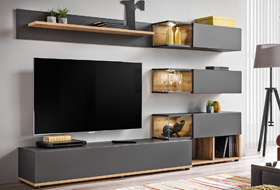
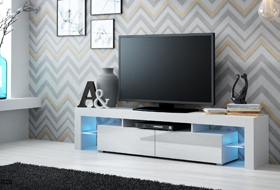
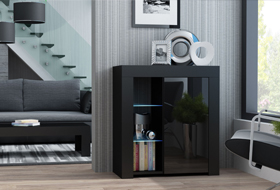
Begin by evaluating the unique characteristics of your living space. Whether you’re furnishing a compact 30-square-meter studio with a sleeping nook or a slightly larger 40–45-square-meter apartment, there are many practical ideas to help you create a home that feels both functional and inviting. When dealing with limited space, it’s essential to focus on what matters most to you. Start by identifying your priorities—decide whether a comfortable sofa, a generous bed, or a dining area is your top requirement.
If entertaining friends and hosting dinners is important to you, dedicating more space to a dining area may be the best choice. If rest and comfort take precedence, ensure your bedroom allows for a spacious bed with a stylish headboard and one or two bedside tables. For those who want both a large bed and a functional dining setup, a foldable or extendable table—such as a drop-leaf or round extendable design—can be an excellent compromise. These tables can be tucked away when not needed, freeing up valuable floor space.
If relaxing evenings spent watching movies or series are part of your daily routine, investing in a cozy modular sofa paired with an elegant coffee table is a smart choice. Soft lighting, candles, or ambient lamps can further enhance the atmosphere, making the space feel comfortable and welcoming.
How can you make your apartment feel larger?
There are several proven ways to visually enlarge an apartment or individual rooms. One of the simplest methods is choosing the right wall colors. Light tones such as white or soft beige with warm undertones reflect natural light, making interiors feel brighter and more open. Cool shades like pale blues or gentle greens can also create an airy, expansive effect.
Smaller apartments often suffer from limited natural light due to fewer windows. To compensate, strategically placing mirrors can make a significant difference. While mirrors are commonly used in hallways and bathrooms, adding them to the living area can greatly enhance the sense of space. A mirror positioned above the sofa and paired with artwork or framed photos creates a striking focal point. If you have a console table that doubles as a desk or workspace, hanging a mirror above it not only brightens the room but also allows the surface to function as a vanity.
Hallways in small apartments are frequently narrow or open directly into the kitchen, making clever storage solutions essential. If space allows, a bench with built-in storage is a practical and stylish option, offering a place to store shoes, scarves, and accessories. Adding a hat shelf can further increase storage while also serving as a decorative wall element.
In tighter spaces, simpler solutions like wall hooks, hook rails, or freestanding clothes hangers work just as well. A clothes hanger can be used not only in the hallway but also beside the bed—perfect for hanging a robe or light jacket. To finish off the hallway, a full-length mirror adds both elegance and functionality, making it easy to check your outfit before leaving the house.
Which Is Better for Your Home: MDF or Solid Wood Furniture?
Choosing furniture often comes down to the materials used in its construction. In the past, MDF was considered less durable than solid wood, but modern production methods have significantly improved its strength, quality, and affordability. These advancements have contributed to the popularity of flat-pack furniture among consumers and manufacturers alike. As a result, services specializing in flat-pack delivery, assembly, and even customization of flat-pack furniture have grown rapidly. Both MDF and solid wood offer distinct advantages and disadvantages, and understanding these differences can help you make an informed decision.
What Is MDF (Medium Density Fiberboard)?
MDF is produced by compressing recycled wood fibers combined with resin and wax. This process creates a smooth, dense, and uniform board that is more consistent in texture than plywood.
What Is Solid Wood Furniture?
Solid wood furniture is crafted from natural timber, a material that has been used for centuries. Renowned for its strength and durability, wood sourced from forests has historically been used to build homes, bridges, and other structures. Despite modern alternatives, solid wood remains a preferred choice for furniture designed to withstand long-term use.
MDF vs Solid Wood: Key Differences
The primary distinctions between MDF and solid wood lie in their composition, durability, price, and response to environmental factors. Solid wood is admired for its classic appearance and its ability to increase property value, while MDF is favored for affordability and ease of finishing. Discussions around MDF often focus on these contrasts. It’s also worth noting that this comparison does not include engineered wood or particle board.
Benefits of Solid Wood Furniture
Exceptional Durability:
Solid wood is known for its remarkable strength and long lifespan. For generations, it has been used in construction and furniture-making, and it continues to be a reliable choice for pieces that must endure daily wear.
Classic Beauty:
No painted or laminated surface can truly match the warmth and authenticity of natural wood. While MDF furniture often imitates popular wood grains, genuine timber offers depth, texture, and character that replicas cannot fully achieve. Common solid wood types include oak, walnut, teak, mahogany, ash, and pine.
Increases Home Value:
Solid wood furniture—such as tables, wardrobes, beds, bookcases, and sofas—is often viewed as a long-term investment. These pieces can enhance a home’s overall appeal and value, which is why they are frequently used in property staging by real estate professionals.
Customization Options:
Although solid wood furniture may lack the modular flexibility of flat-pack designs, it is available in many styles and can be custom-made by skilled craftsmen. This makes it ideal for bespoke furniture and personalized interior projects.
Drawbacks of Solid Wood Furniture
Moisture Sensitivity:
Solid wood can be damaged by moisture. Even with protective finishes, scratches or surface wear may allow water to penetrate, potentially causing mould or fungal growth.
Response to Climate Changes:
Wood naturally expands and contracts with changes in humidity and temperature. Despite modern treatments, it remains sensitive to extreme conditions and should be protected from excessive heat or cold.
Susceptibility to Pests:
If not properly treated, solid wood furniture may attract insects such as woodworms, beetles, or carpenter ants. Preventive treatments are often required to ensure long-term protection.
Higher Price Point:
Solid wood furniture is typically more expensive than MDF or other engineered alternatives. Premium woods like walnut, oak, cherry, mahogany, and teak are particularly costly due to their durability, appearance, and limited availability.
Conclusion
Deciding between MDF and solid wood furniture requires careful consideration of factors such as budget, appearance, durability, and environmental impact. Solid wood stands out for its timeless style, longevity, and ability to enhance property value, but it comes with higher costs and maintenance needs.
MDF provides a more affordable solution with a smooth surface that works especially well for painted finishes. Thanks to modern manufacturing improvements, MDF has become more durable and moisture-resistant, making it suitable for spaces like kitchens and bathrooms. From an environmental standpoint, both materials have advantages and limitations, so choosing responsibly sourced products is essential.
Ultimately, the best furniture choice aligns with your lifestyle, budget, and personal values. Considering how and where the furniture will be used—and how long you expect to keep it—will help ensure a decision that satisfies both practical needs and long-term sustainability.