








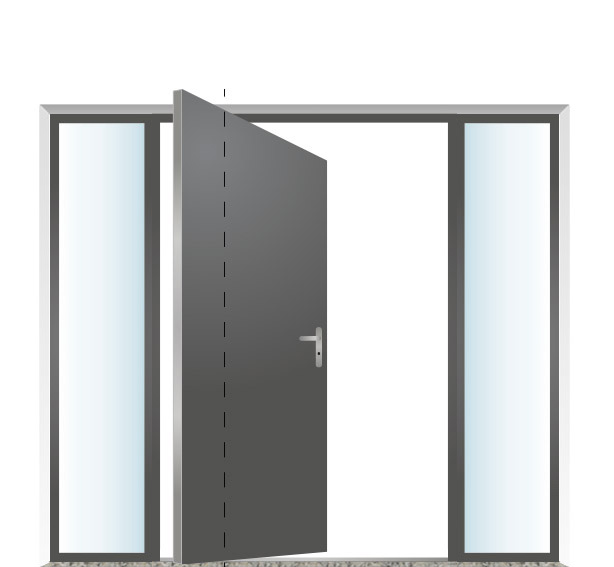





European Doors vs. American Doors – how to choose one for you?
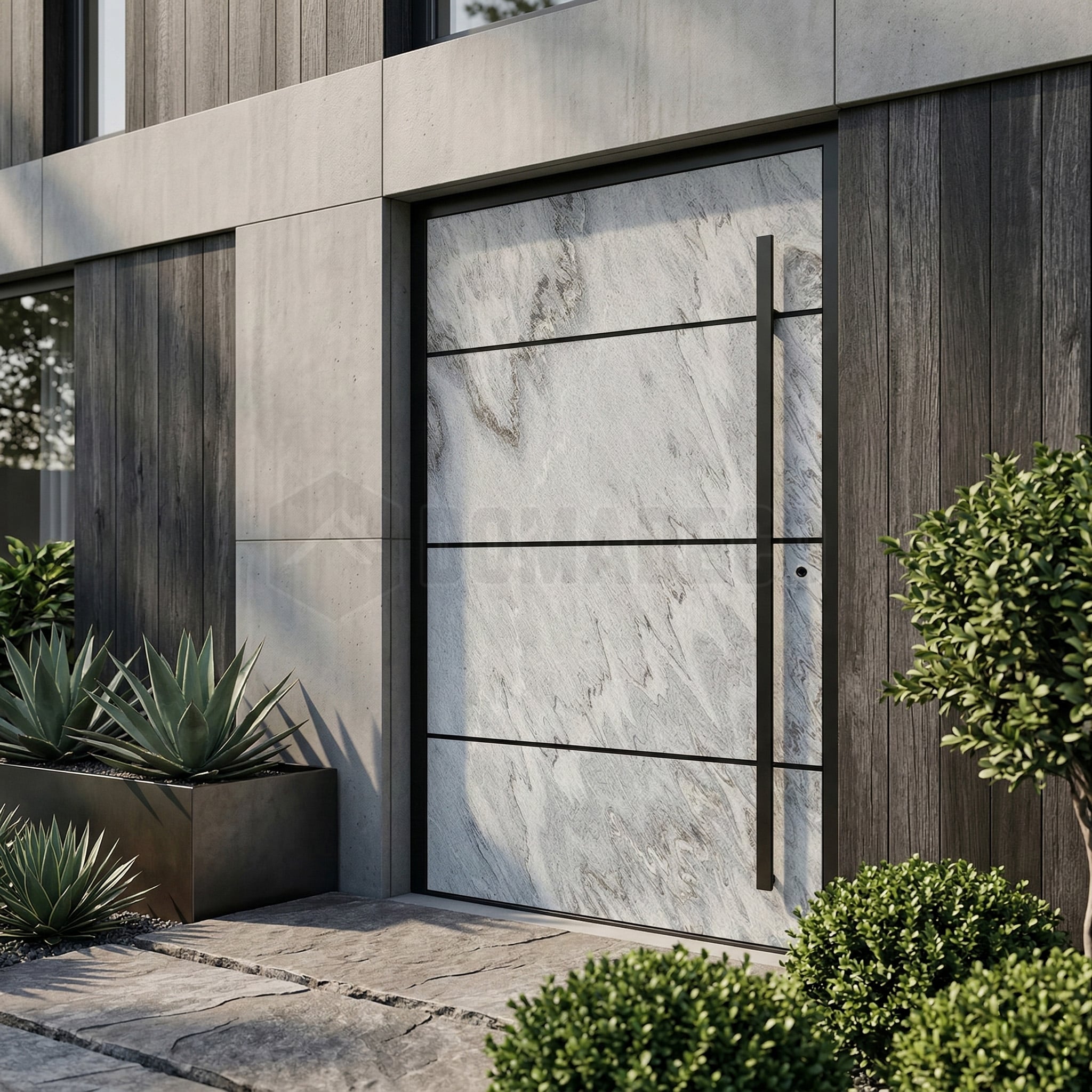
When building a home, we choose materials that will be well-suited to our house, that will look nice, be durable, and ideally, indestructible. We want them to serve us for many years. We paint the walls, choose the windows, and of course, the most visible and frequently used doors, both internal and external. We start to wonder about European and American options…
The American Door Appeal
For those seeking basic functionality at a cost-effective price point, American doors present an excellent solution. However, there are distinct regional variations in how doors are crafted globally. American designs typically emphasize traditional, uncomplicated aesthetics. Their high affordability largely stems from high-volume mass production and standardized manufacturing.
The Advantages of European-Made Doors
Although European doors typically require a larger initial investment than their American counterparts, their exceptional craftsmanship justifies the cost. Centered around robust wooden or high-grade steel constructions, these doors offer unparalleled protection against harsh climates, moisture, and noise pollution, all while remaining low-maintenance. Supplying nearly 50 million units annually to both new constructions and renovation projects, the European market is renowned for its versatility. These doors are engineered to endure, providing superior thermal insulation for better energy efficiency and integrated multi-point locking mechanisms for maximum security. Beyond their functional superiority, European doors place a heavy emphasis on aesthetics. Manufacturers offer an extensive selection of bespoke designs, colors, and finishes, ensuring a flawless architectural integration for any home.
Material Differences: Contrasting Approaches to Door Design
When it comes to front door manufacturing, the United States and Europe operate on two distinct philosophies, even though the end goal remains exactly the same.
The American Approach: Economy and Efficiency
In the US, the manufacturing focus leans heavily toward affordability and streamlined mass production.
- Hollow Core Dominance: The standard choice is often a hollow core door, which consists of a lightweight wooden frame packed with composite materials.
-
The Trade-off: While these doors are highly budget-friendly, they generally fall short when it comes to blocking out noise and regulating indoor temperatures.
-
Premium Alternatives: Solid wood doors are available for those seeking better insulation and quality, but they represent a significant step up in price.
The European Approach: Durability and Performance
European door construction, on the other hand, is driven by a commitment to long-lasting quality and functional excellence.
-
Solid Hardwood Foundations: These doors are typically crafted entirely from robust, heavy-duty woods like beech or oak.
-
Built-In Benefits: Because of their dense construction, European doors naturally excel at soundproofing and thermal insulation while providing a substantial, luxurious feel.
-
Aesthetic Versatility: To offer diverse styles without compromising the door's structural integrity, European manufacturers frequently finish these solid cores with attractive veneers or laminates.
Form Meets Function: The Advanced Engineering of European Doors
European front doors are built on the premise that a door should do much more than simply separate the indoors from the outside. They are meticulously engineered to maximize overall performance, safety, and home efficiency.
Design Differences: A Transatlantic Look at Curb Appeal
When comparing exterior doors between the United States and Europe, the differences in design philosophy and manufacturing priorities become quite clear.
The American Approach: Practicality and Value In the U.S., door designs generally lean toward a more straightforward and standard appearance. The manufacturing process heavily prioritizes cost-efficiency and mass production. As a result:
-
Common Materials: Hollow-core or flat-surface doors dressed up with decorative outer layers are the industry norm.
-
Primary Focus: While homeowners still have plenty of visual styles to choose from, the overarching emphasis is usually on budget-friendliness and accessibility rather than high-end artistry.
The European Approach: Craftsmanship and Elegance
Across the Atlantic, European doors highlight a long-standing tradition of artisanal quality and classic sophistication.
-
Common Materials: Because they are typically built from solid wood, these doors serve as a sturdy canvas for detailed paneling, raised moldings, and premium finishes.
-
Primary Focus: Rather than treating the doorway as just a functional barrier to enter the house, European design treats it as a significant architectural feature that dramatically elevates the home's overall aesthetic and character.
Key Functional Advantages
-
Advanced Weatherproofing: Rather than basic weatherstripping, European doors utilize sophisticated sealing systems that include multiple gaskets and precision-fitted thresholds. This meticulous design eliminates drafts, retains indoor heat, and drastically improves a home's overall energy efficiency.
-
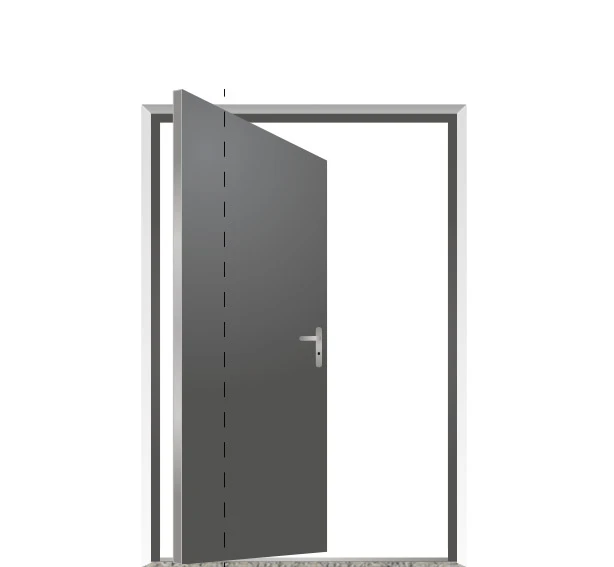
High-End Hardware and Security: Premium mechanical components are a signature of European manufacturing. These doors frequently feature multi-point locking mechanisms for unmatched security, alongside innovative tilt-and-turn hinges that allow for safe, controlled ventilation without leaving the home vulnerable.
-
Strict Fire Safety Standards: Driven by rigorous European building codes, manufacturers produce a wide variety of highly certified fire-rated doors. These resilient designs meet strict safety benchmarks, offering maximum protection and peace of mind for both builders and homeowners.
The American Approach: Mass Production and Cost-Efficiency
-
The Focus: American doors typically lean toward a conventional, simplified design that prioritizes affordability and high-volume, easy manufacturing.
-
The Build: The standard options are usually hollow-core doors or simple flush panels covered with decorative outer treatments.
-
The Impact: While this gives buyers a wide variety of affordable styles, the heavy emphasis on cost over fine craftsmanship often means these doors are treated as easily replaceable commodities rather than long-lasting, sustainable fixtures.
The European Approach: Longevity Through Craftsmanship
-
The Focus: In contrast, European design is deeply rooted in artisanal tradition and classic elegance—qualities that many Americans highly value.
-
The Build: Relying on solid wood construction, these doors are crafted to support premium finishes, raised moldings, and intricate paneling.
-
The Impact: Because solid wood and fine craftsmanship result in a highly durable product, this approach is inherently more sustainable. It elevates the door from a basic, functional necessity into a permanent, high-quality architectural feature designed to last for generations, significantly reducing the need for replacement.