













What are High-Pressure Laminate (HPL) Sheets, and In Which Applications Are They Commonly Utilized?
What is high pressure laminate (HPL)?
HPL, or High-Pressure Laminate, is a engineered composite material made by bonding a printed decorative paper to multiple layers (typically 6 to 8) of Kraft paper that have been infused with a synthetic thermosetting resin. Through a curing process involving heat and high pressure—usually exceeding 1,000 PSI—these layers are fused together to create a flexible, dense laminate sheet. In some cases, manufacturers may add metal layers or mesh within the laminate to enhance its strength. Once formed, these laminate sheets are applied onto wood-based substrates. HPL comes in a wide range of colors, textures, and patterns, allowing it to convincingly mimic natural materials like wood or metal. The decorative surfaces are treated with melamine-based resins, which significantly improve their resistance to abrasion, thermal shock, impact, heat, and discoloration, making HPL a durable and versatile surface material.
What Are the Benefits of Choosing HPL?
Thanks to its blend of durability, design versatility, and affordability, HPL laminate sheets have become a popular choice among architects, designers, and homeowners. Whether you’re renovating a kitchen, outfitting an office, or selecting materials for a commercial space, high-pressure laminate provides a dependable and attractive option. Its ability to withstand heat, moisture, scratches, and stains makes it suitable for many uses, and its extensive variety of styles lets you personalize any environment. Wherever applied, HPL ensures excellent performance while offering a contemporary and elegant appearance.
Features of HPL Laminate Sheets
Before exploring the applications of HPL, it’s important to understand why it is so highly valued. Here are some key attributes that distinguish HPL laminate sheets from other materials: Durability: HPL is exceptionally resistant to scratches, impacts, and wear, making it perfect for areas with heavy use. Heat and Moisture Resistance: Due to its manufacturing process, high-pressure laminate can endure extreme temperatures and humidity, which is why it is frequently chosen for kitchens and bathrooms. Stain and Chemical Resistance: HPL is easy to maintain and does not absorb stains or chemicals, helping it maintain its look over time. Wide Range of Designs: Offering a vast selection of colors, patterns, and textures, HPL laminate sheets provide limitless design options. Cost Efficiency: Compared to natural materials like wood or stone, HPL is more budget-friendly while delivering comparable aesthetic appeal and durability.
What Are the Common Applications of High-Pressure Laminates?
1. Residential Interiors
High-Pressure Laminate (HPL) sheets are commonly used in home interiors, especially in kitchens and bathrooms. Their ability to resist moisture makes them ideal for kitchen countertops, cabinets, and backsplashes. HPL can imitate the appearance of luxurious materials like marble, granite, or wood while offering a more affordable and low-maintenance alternative. In bathrooms, HPL is frequently applied to vanity tops and wall panels because it withstands humidity without bending or damage. Moreover, it contributes a stylish, contemporary finish to areas where practicality and aesthetics need to work hand in hand.
2. Office EnvironmentsIn workplaces
, HPL is widely utilized for furniture including desks, cubicles, and storage cabinets. Its durability under heavy daily use, combined with a polished look, makes it a preferred choice for commercial settings. Additionally, high-pressure laminate is commonly applied to office partitions, wall coverings, and door panels because of its resistance to scratches and impacts.
3. Retail and Hospitality
The retail and hospitality sectors require surfaces that combine durability with aesthetic appeal. HPL fulfills these needs perfectly, making it an excellent choice for countertops, display fixtures, and shelving in shops and dining establishments. In hotels and restaurants, where design plays a crucial role, high-pressure laminate is often used to craft standout elements, decorative wall panels, and elegant furniture. The wide variety of colors and textures offered by HPL sheets provides extensive customization options, allowing each space to be distinctive and aligned with a brand’s image.
4. Healthcare Facilities Hospitals
clinics, and laboratories require materials that can withstand rigorous cleaning and disinfection standards. HPL laminate sheets are commonly used in these environments due to their non-porous nature, which resists bacteria, stains, and chemicals. Additionally, the smooth surface of HPL allows for easy cleaning, helping to maintain a sterile and hygienic space. Whether used for countertops in medical offices or wall coverings in operating rooms, high-pressure laminate offers a practical solution that combines cleanliness with an attractive appearance.
5. External doors
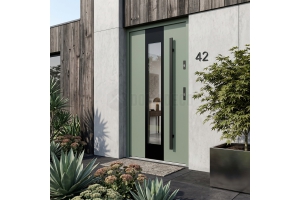
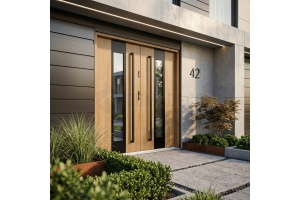
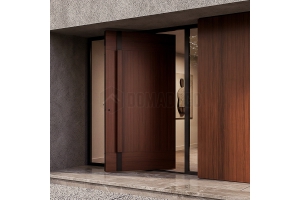
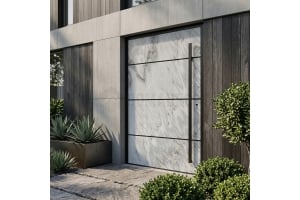
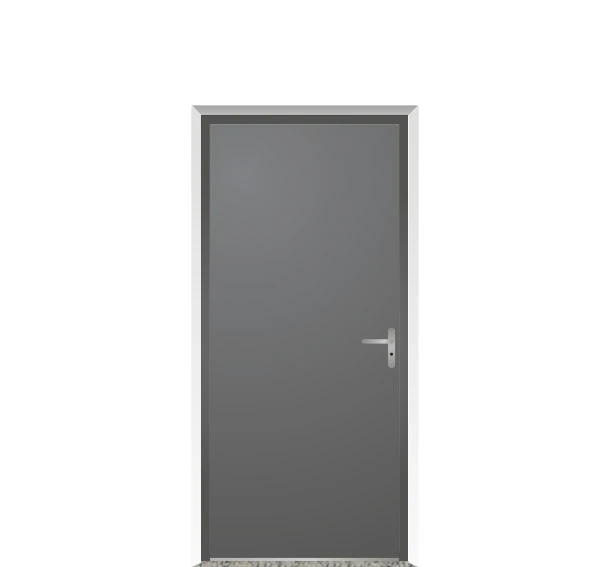
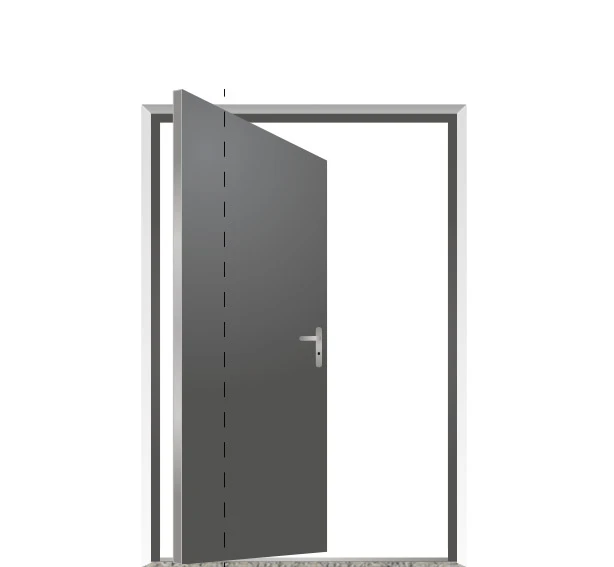
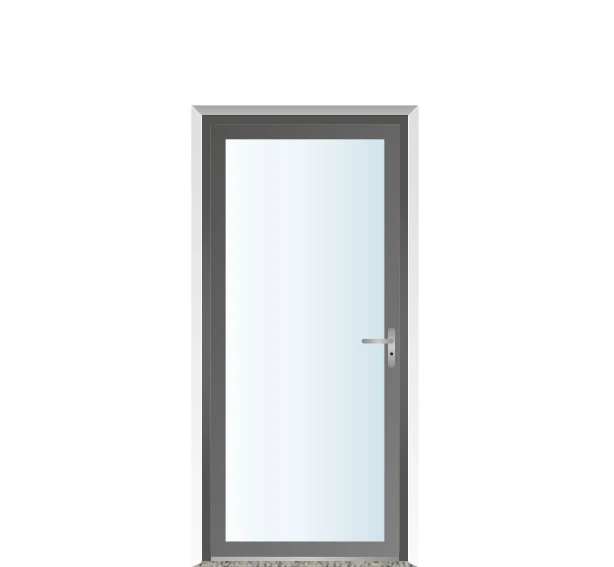
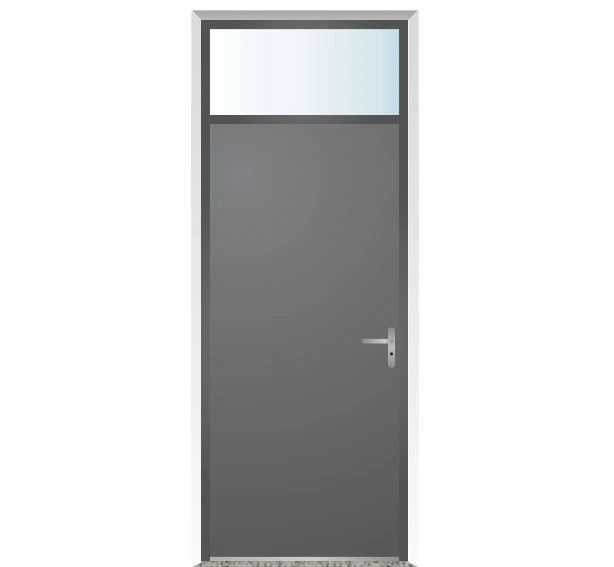
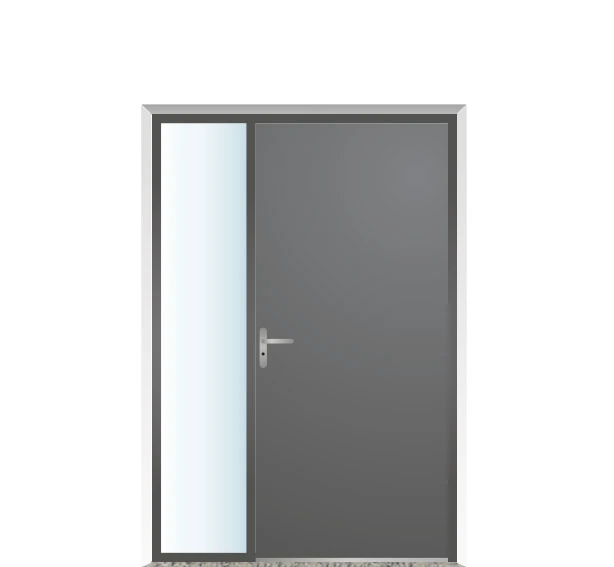
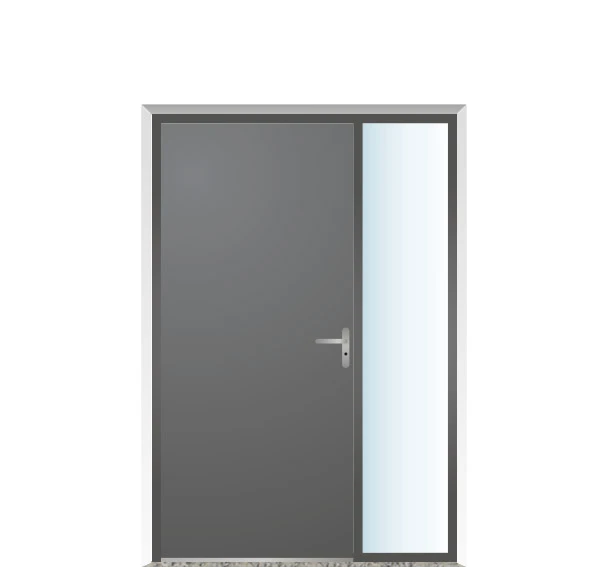
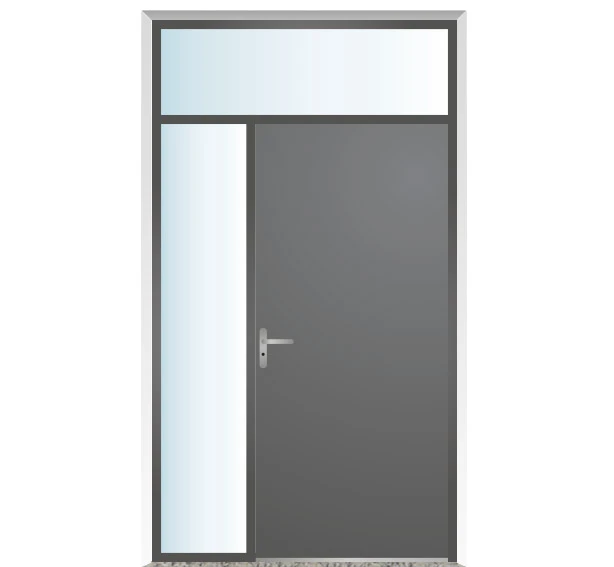
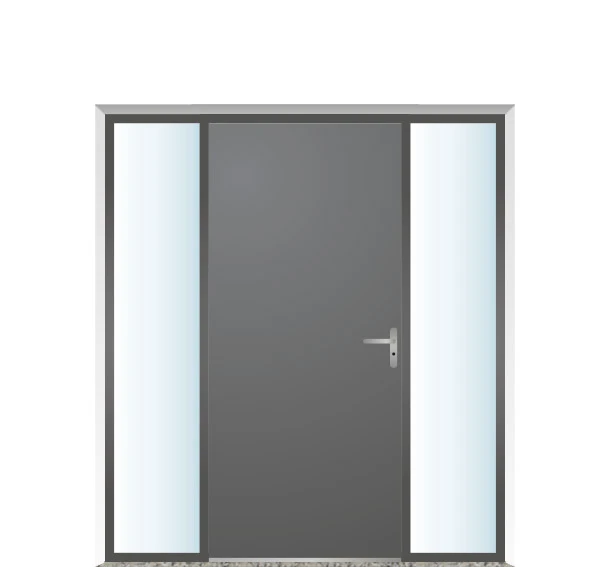
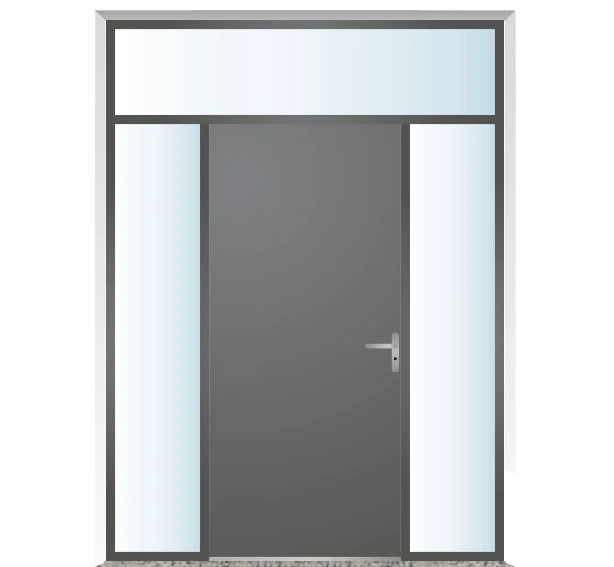
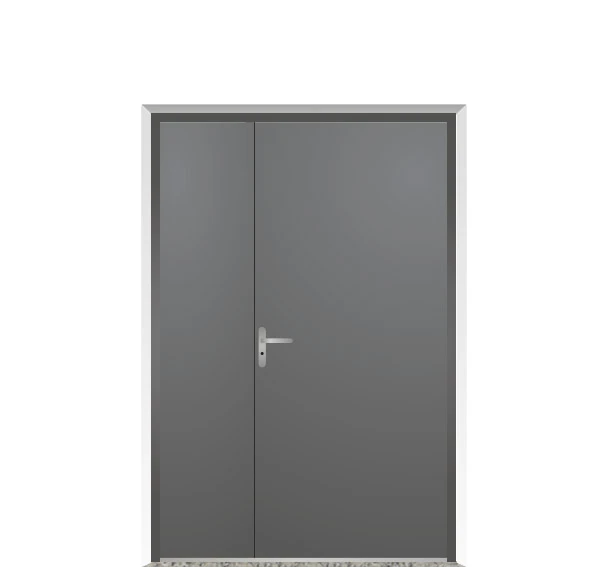
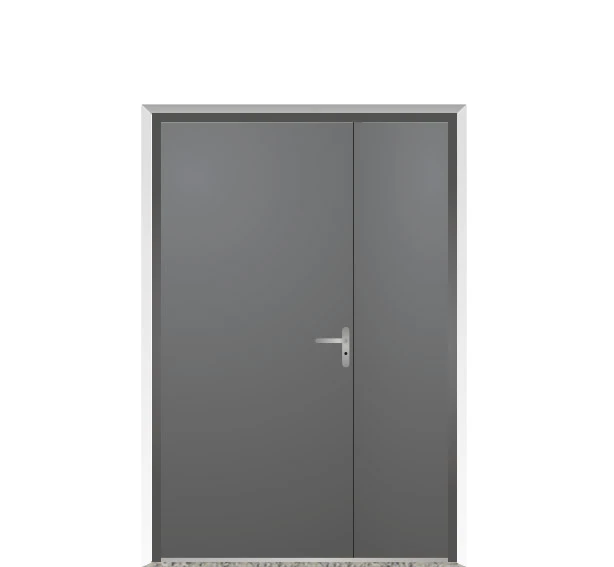
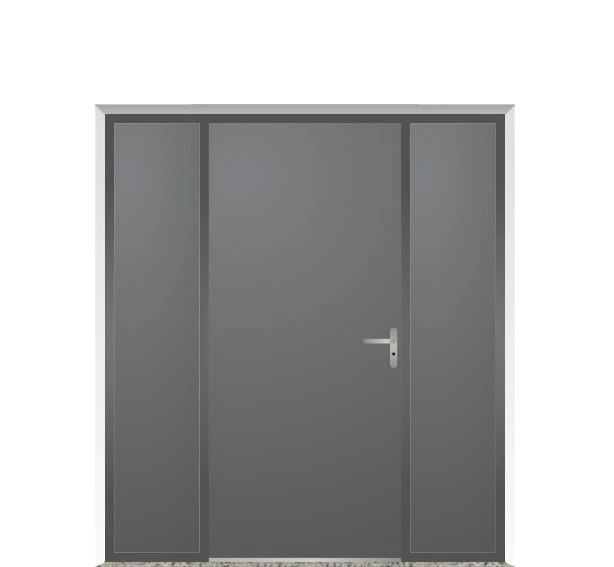
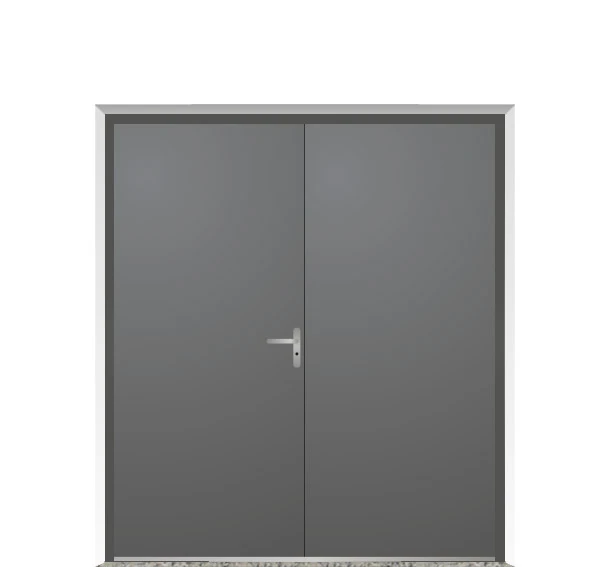
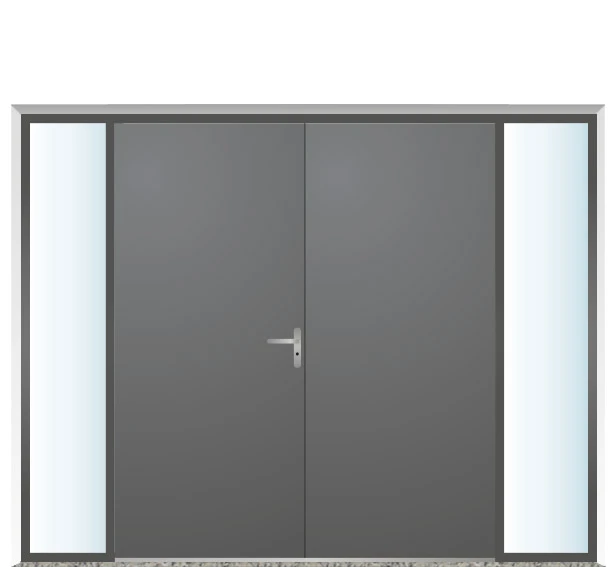
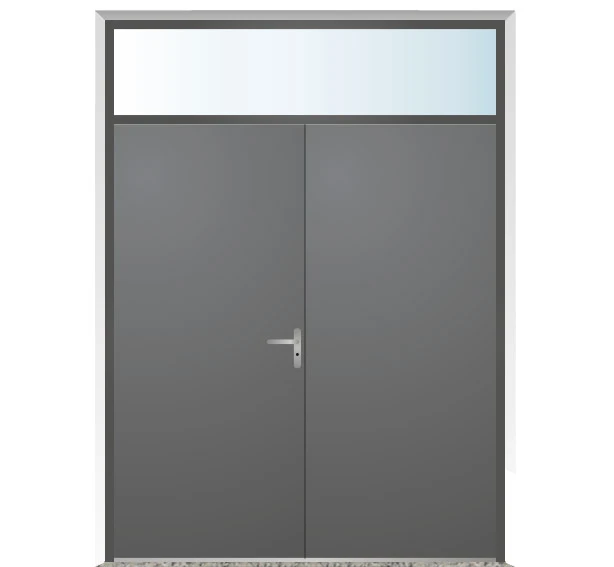
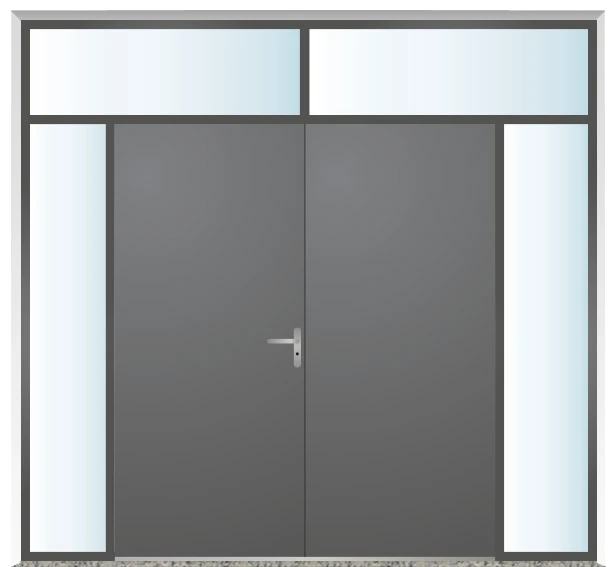
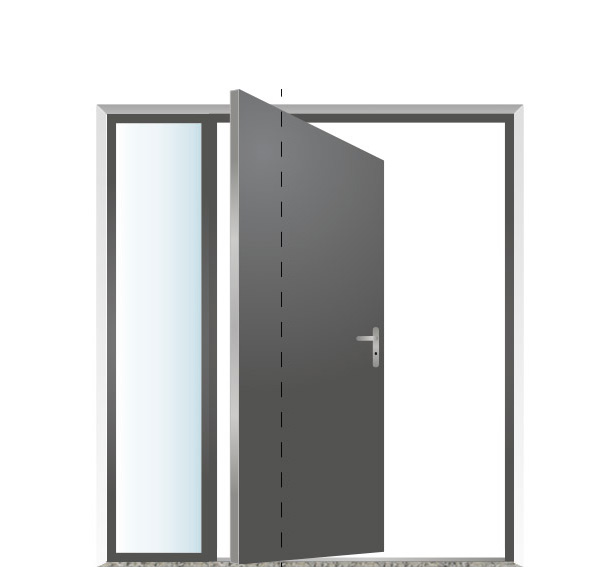
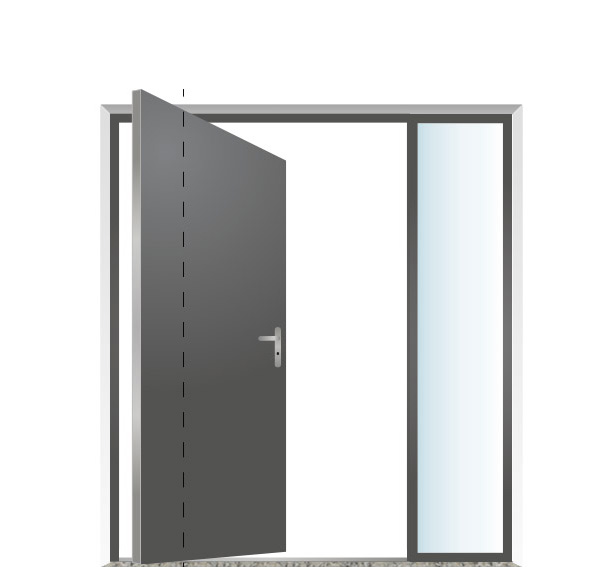
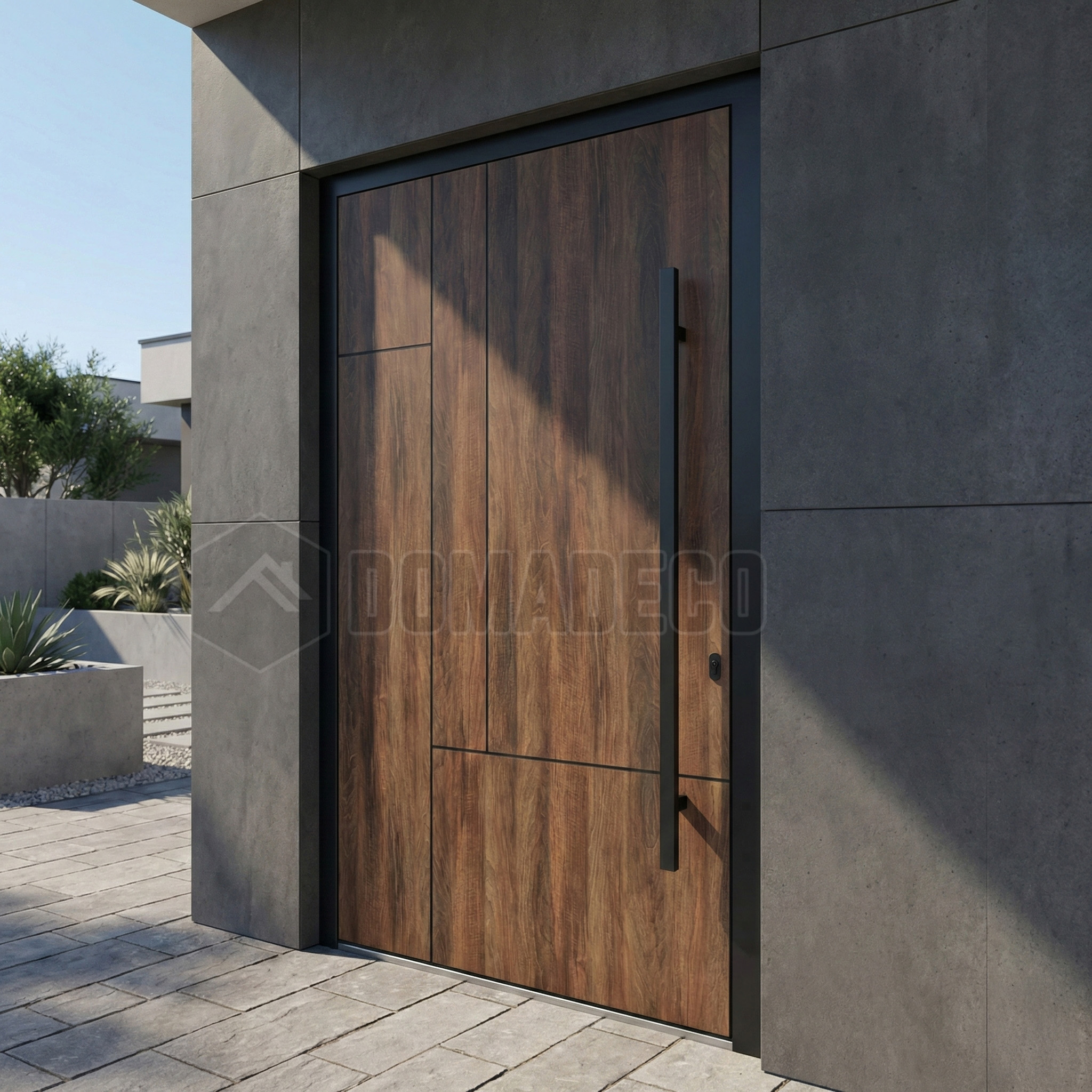
One of the key benefits of HPL external doors is their exceptional durability. Made from multiple layers of kraft paper infused with phenolic resin, these doors are built to endure heavy usage and challenging environmental conditions. This robustness makes HPL doors especially suitable for high-traffic locations such as commercial facilities, hospitals, and schools. Unlike traditional wooden doors, HPL doors resist warping, cracking, and swelling, providing long-lasting reliability with minimal upkeep. Additionally, HPL doors offer fire resistance, enhancing safety within your premises. This feature is particularly valuable in commercial and public buildings where strict fire safety standards must be met.
Final Thoughts
High-Pressure Laminate (HPL) is a highly adaptable, strong, and visually attractive material that provides many advantages for both home and commercial use. Its durability against wear, heat, and chemicals, along with simple maintenance and a diverse array of design options, makes it a popular choice for contemporary interiors. Gaining insight into the production process, advantages, and uses of HPL enables better decision-making for a variety of projects. With ongoing innovations and growing attention to ethical practices influencing the industry, HPL is poised to remain a vital material in interior design and construction. Explore the potential of HPL to enhance your spaces, achieving an ideal combination of practicality and style.