







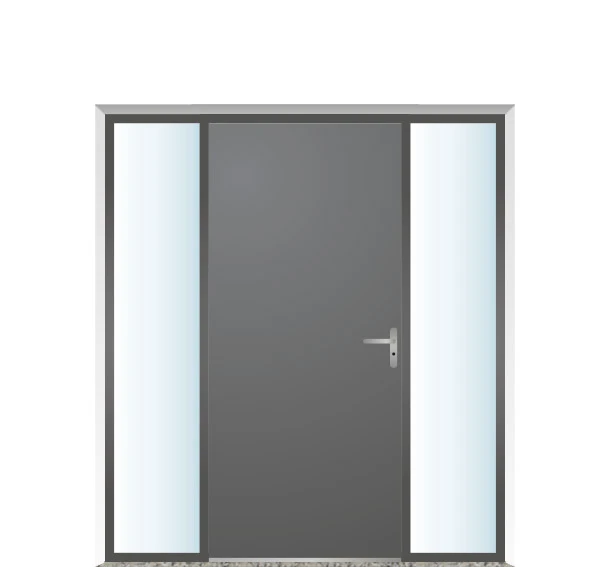
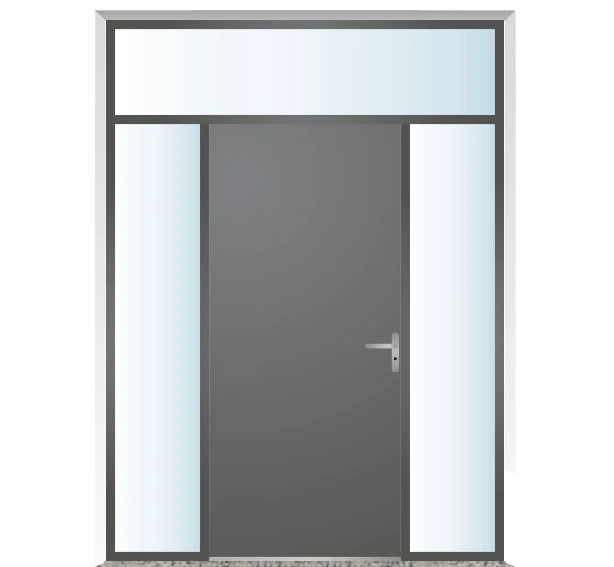
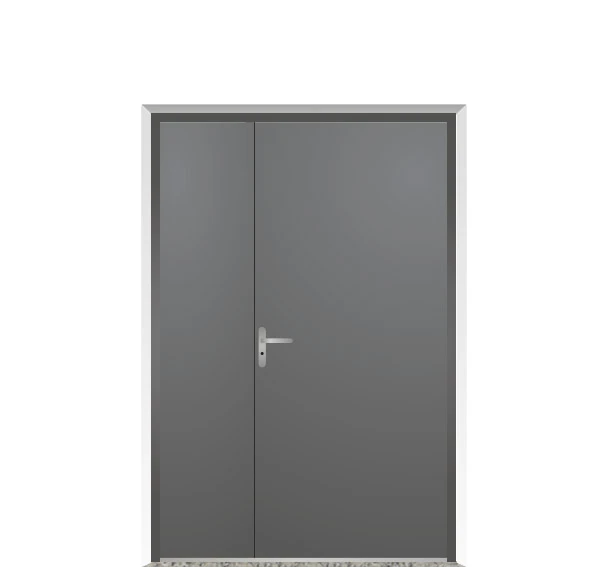
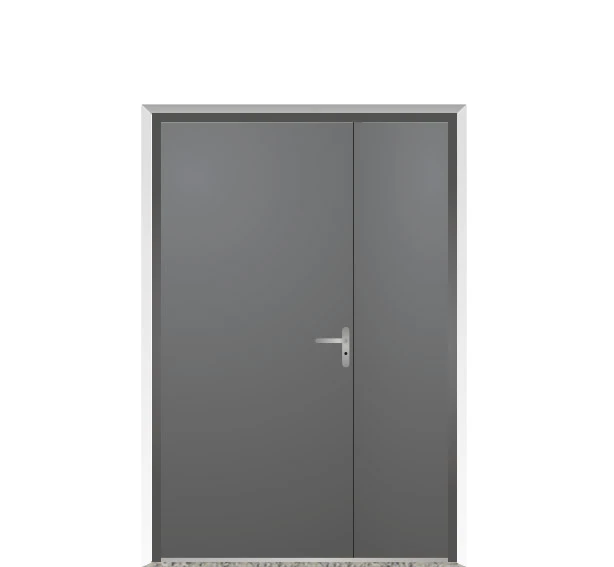

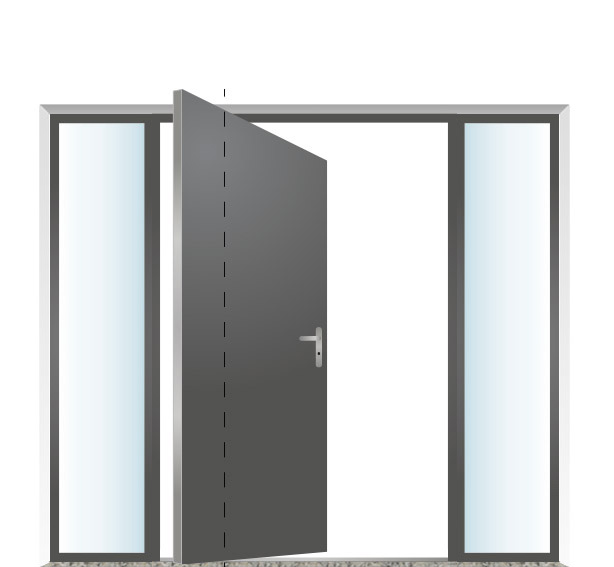





What Are Storm-Rated Doors / Hurricane-Rated Door ?
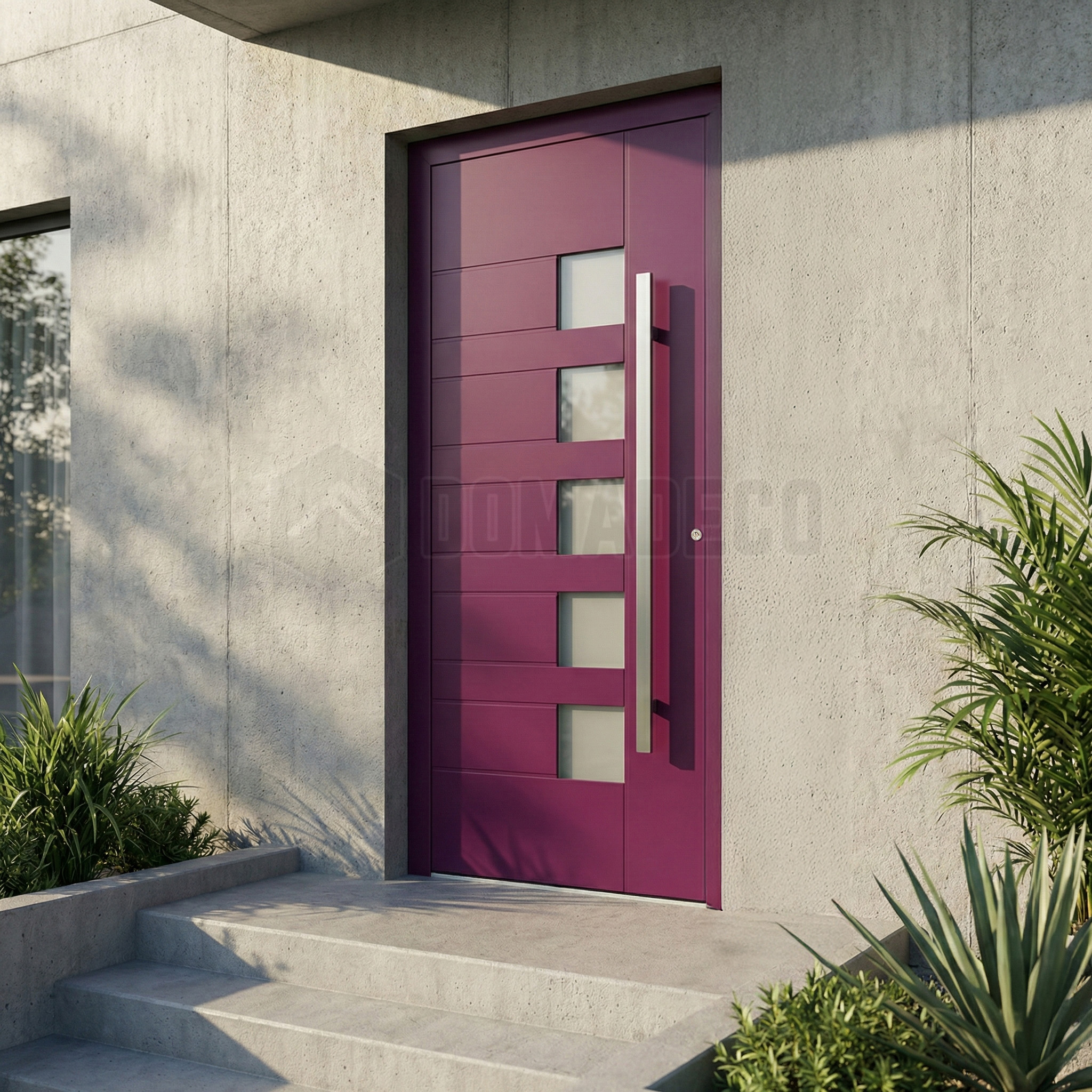
Meaning and Function of Storm-Rated Doors
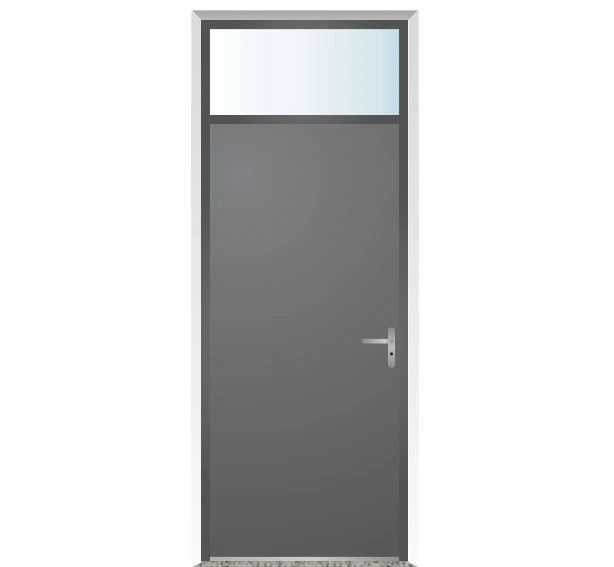
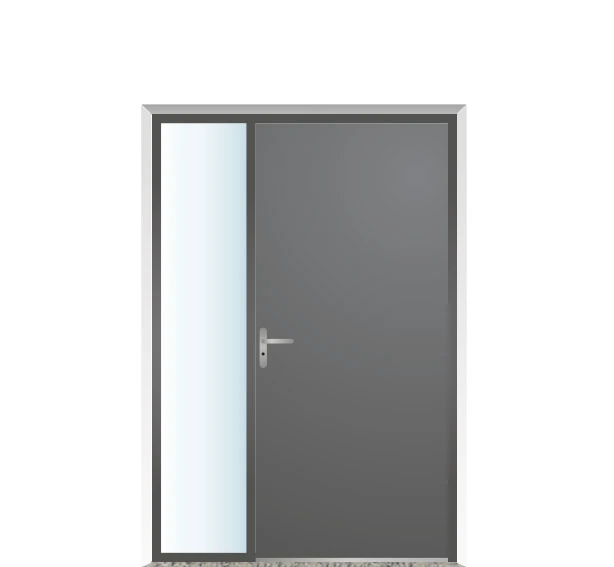
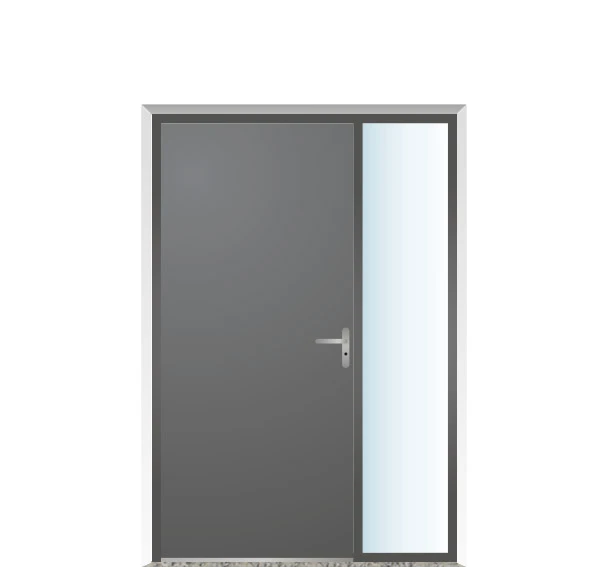
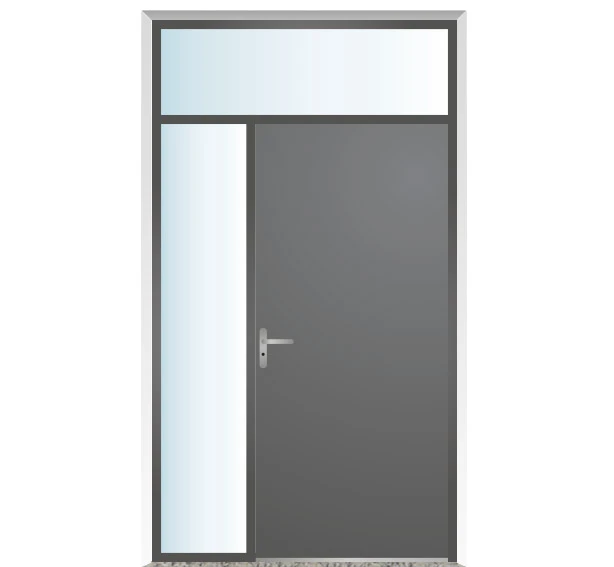
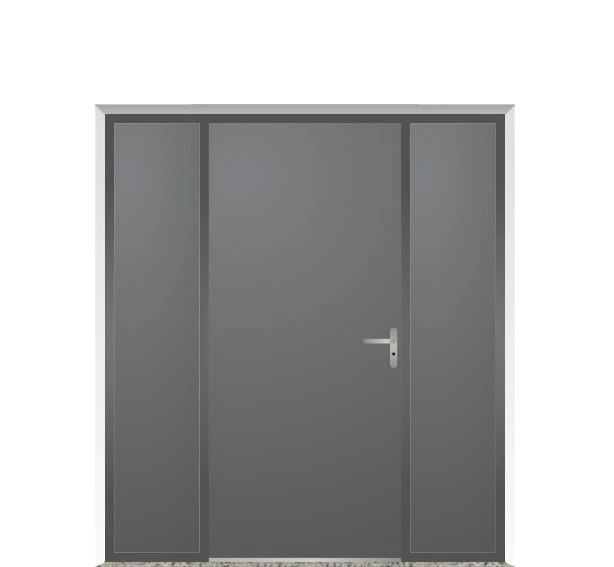
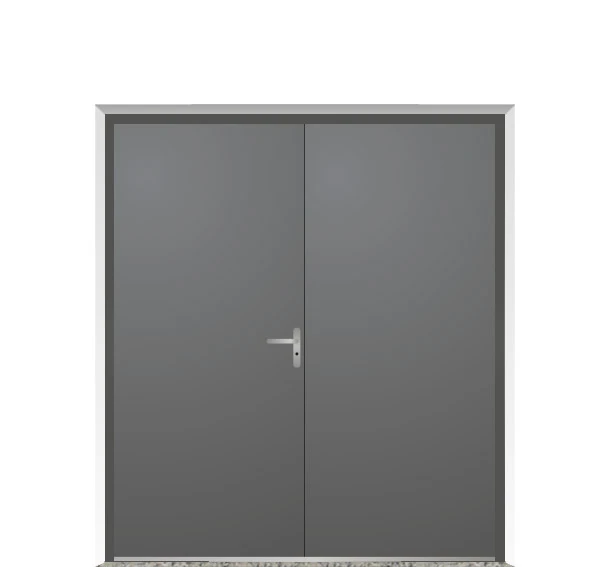
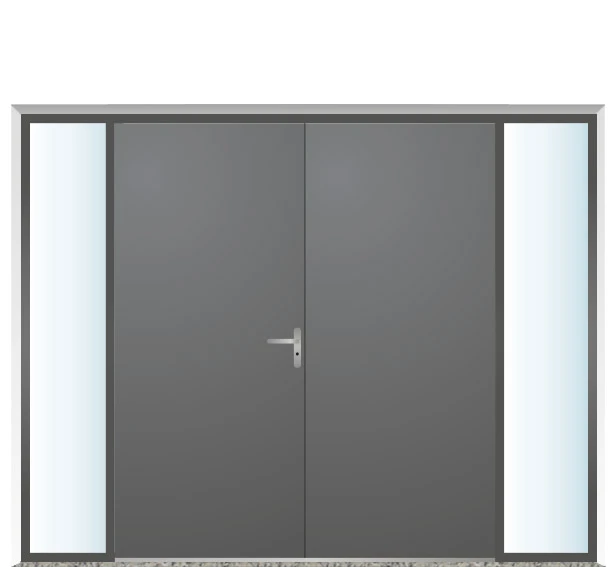
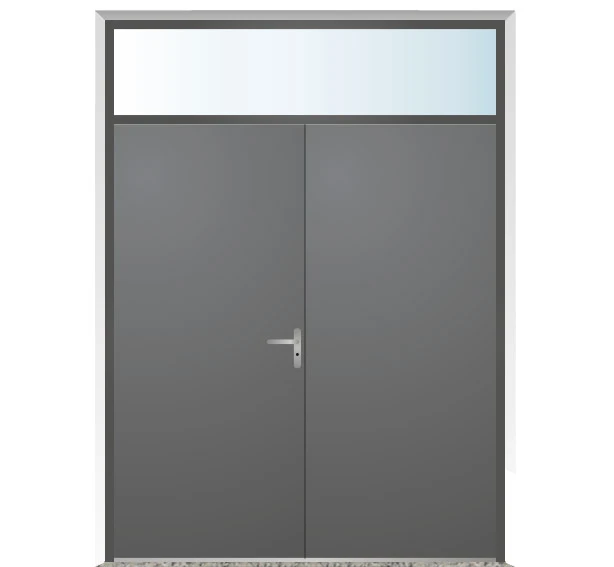
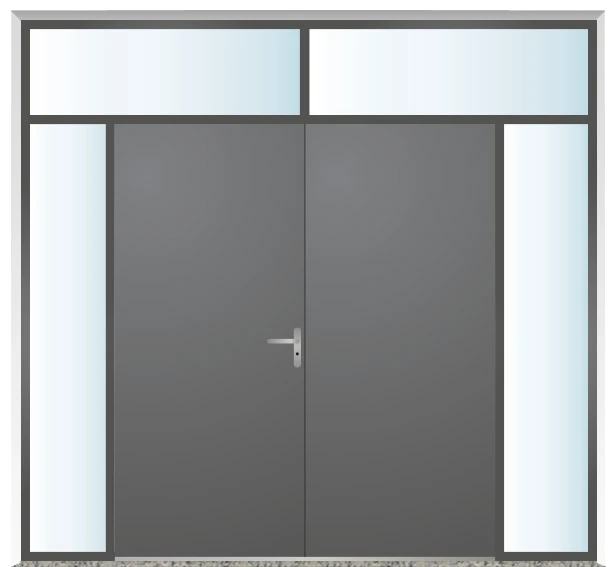
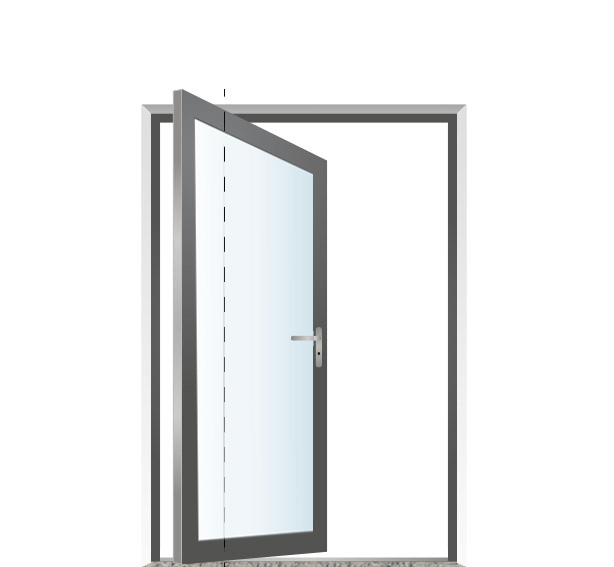
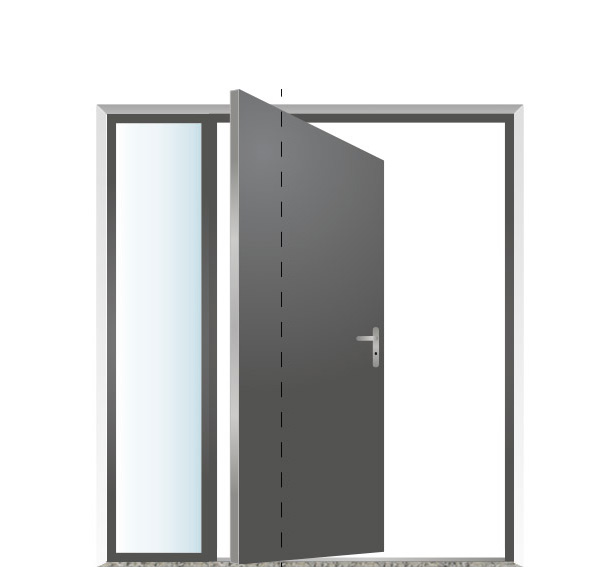
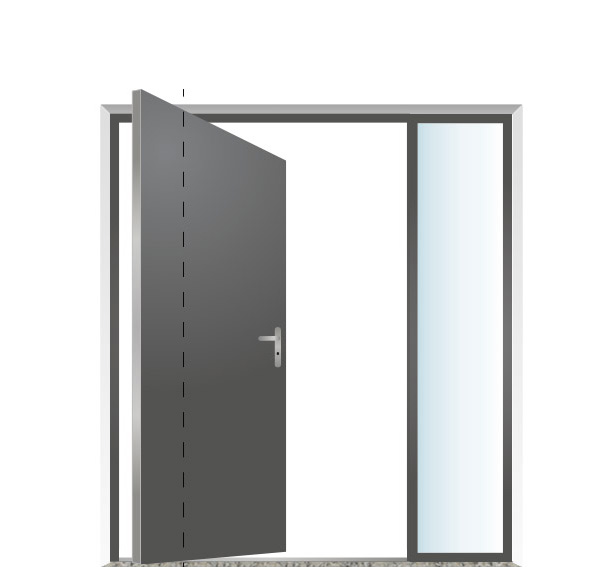
Storm-rated doors are specially engineered commercial doors designed to endure severe weather conditions like hurricanes, tornadoes, and intense storms. Made from strong materials such as steel, aluminum, and impact-resistant glass, these doors offer enhanced protection against high winds, flying debris, and pressure fluctuations. Unlike regular commercial doors, storm-rated doors are subjected to strict testing to meet specific wind load standards and comply with local building codes and safety requirements. Their main function is to increase building security and safety by preventing wind infiltration, minimizing structural damage, and reducing the risk of glass breakage during extreme weather. Additionally, these doors contribute to better energy efficiency and noise reduction, making them a smart investment for commercial properties in areas susceptible to harsh weather conditions, like Florida.
What Is the Difference Between Impact Doors and Standard Doors?
Impact doors and standard exterior doors may appear alike, but they are designed for very different levels of durability and protection. Standard doors are intended for everyday use and typical weather conditions, focusing primarily on aesthetics, insulation, and cost-effectiveness. While suitable for mild environments, they are not built to endure hurricane-strength winds, flying debris, or prolonged pressure.
On the other hand, hurricane impact doors are engineered as comprehensive protective barriers, not just simple entry points. They feature laminated impact-resistant glass, reinforced cores, sturdy frames, and advanced locking systems that collectively provide resilience under extreme weather conditions.
The key difference lies in how each door responds to force. Standard doors tend to bend, crack, or fail, allowing wind and water to penetrate the home. Impact doors are designed to stay intact despite repeated impacts, helping maintain the home's structural safety.
This superior construction makes impact doors an essential safety enhancement for residences in hurricane-prone regions. Understanding the materials, glass technology, and framing used in impact doors clarifies why they perform differently than standard doors when subjected to severe stress.
This distinction is crucial during hurricanes, where intense wind pressure and flying debris challenge a door’s ability to protect the home’s structure and interior.
The Significance of Storm-Rated Doors in Florida’s Weather Conditions
Florida’s tropical climate is characterized by hurricane season, bringing strong winds, heavy rainfall, and airborne debris. For commercial buildings, installing storm-rated doors is more than a precaution—it is essential. These doors provide vital protection against hurricanes, tropical storms, and tornadoes, safeguarding occupants, property, and important infrastructure. Beyond protecting lives, storm-rated doors assist commercial property owners in meeting insurance requirements and minimizing liability risks from storm-related damage. Since Florida enforces some of the nation’s toughest building codes, which apply to new constructions and major renovations, storm-rated doors become a crucial element in construction projects throughout the state.
Main Characteristics of Storm-Rated Doors
Durable, High-Impact Materials
A key attribute of storm-rated doors is their construction from high-impact resistant materials, specifically engineered to endure flying debris and intense pressure. Typical materials include reinforced steel, stainless steel, and impact-resistant glass, all known for their superior strength and long-lasting durability. These materials are designed to resist corrosion, rust, and deformation, ensuring reliable performance even in severe weather conditions.
In addition to metal components, laminated glass is frequently incorporated to prevent shattering upon impact, enhancing both safety and energy efficiency while reducing noise. Many storm-rated doors also feature advanced powder coatings and specialized paint finishes that protect against UV rays, moisture, and salt air corrosion—common environmental factors in coastal regions like Florida.
Sturdy Frames and Strong Anchoring Systems
For optimal defense against severe weather, storm-rated doors come with reinforced frames and robust anchoring systems. These frames are usually crafted from heavy-duty steel or aluminum, offering exceptional strength and stability. The anchoring systems firmly attach the door to the masonry wall, preventing it from being pushed out or detached during powerful wind forces. In certain commercial settings, storm shutters or rolling storm shutters are also used alongside storm-rated doors to provide extra protection against flying debris and intense wind pressure. Incorporating reinforced frames and secure anchoring not only improves safety but also guarantees adherence to local building codes and Federal Emergency Management Agency (FEMA) requirements.
Standards for Wind Load and Pressure Testing
Storm-rated doors undergo thorough testing to comply with wind load and pressure requirements established by organizations such as the Florida Building Code (FBC) and the International Building Code (IBC). These evaluations measure the door’s capacity to endure strong winds, rapid pressure fluctuations, and impacts from airborne debris. A key assessment is the missile impact test, which determines the door’s ability to resist high-velocity objects commonly produced during hurricanes and tornadoes. Furthermore, the doors are tested with cyclic pressure methods that replicate the changing wind pressures encountered during severe weather events. Meeting these standards guarantees that storm-rated doors deliver dependable protection in hurricane-prone areas like Florida.
Adherence to Florida Building Codes and Regulations
In Florida, storm-rated doors are required to meet the Florida Building Code (FBC), which sets strict standards for wind load capacity, impact resistance, and pressure performance. These regulations are among the most stringent in the United States due to the state's high risk of hurricanes and tropical storms. To comply, storm-rated doors must pass extensive impact and pressure tests, demonstrating their ability to withstand wind speeds of up to 200 mph or higher, depending on the specific location and type of building. Following these codes not only improves safety and security but also helps commercial property owners fulfill insurance requirements and reduce liability risks. Besides the FBC, storm-rated doors must adhere to local building codes and may need certification from agencies such as Miami-Dade County Product Control or the Texas Department of Insurance (TDI), depending on the project’s location. These certifications verify the door’s durability and performance under severe weather conditions.
Categories of Storm-Rated Doors for Commercial Properties
Steel Storm-Rated Doors
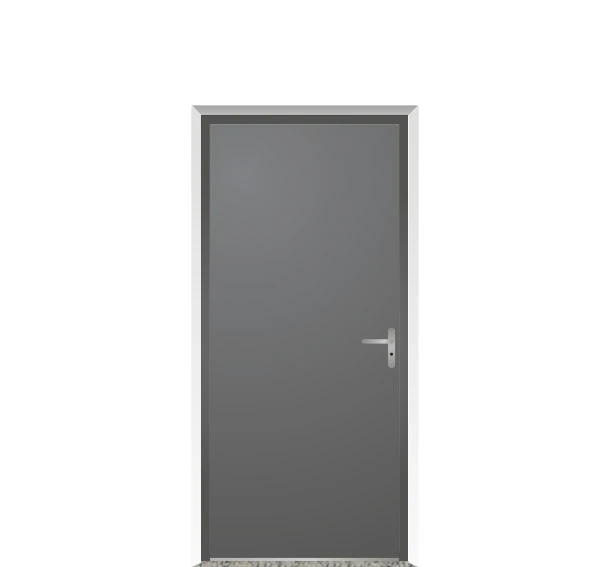
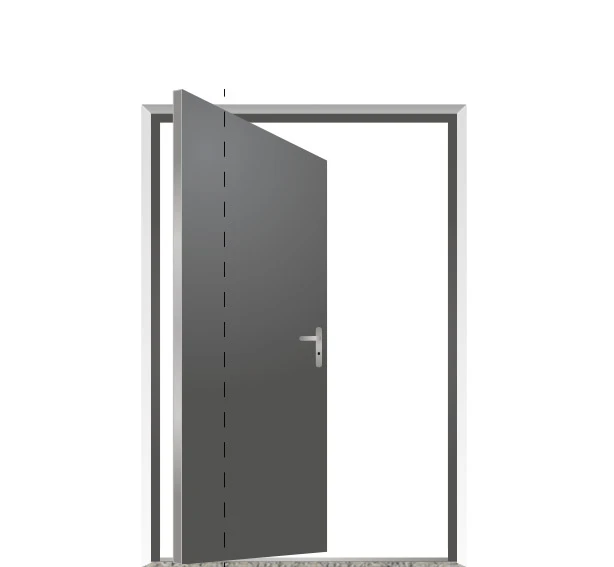
Steel storm-rated doors are recognized for their outstanding strength, durability, and ability to resist impact. Constructed from heavy-gauge galvanized steel, these doors are built to endure strong winds, flying debris, and pressure fluctuations during severe weather conditions. Their sturdy design makes them well-suited for safe rooms, emergency exits, and secure areas within commercial buildings.
To improve both durability and appearance, these doors are often finished with powder coating or paint that protects against rust, corrosion, and UV damage. Stainless steel options offer enhanced resistance to moisture and salt air corrosion, making them especially appropriate for coastal areas in Florida. These features guarantee long-lasting performance while ensuring compliance with local building regulations.
Aluminum Storm-Resistant Doors
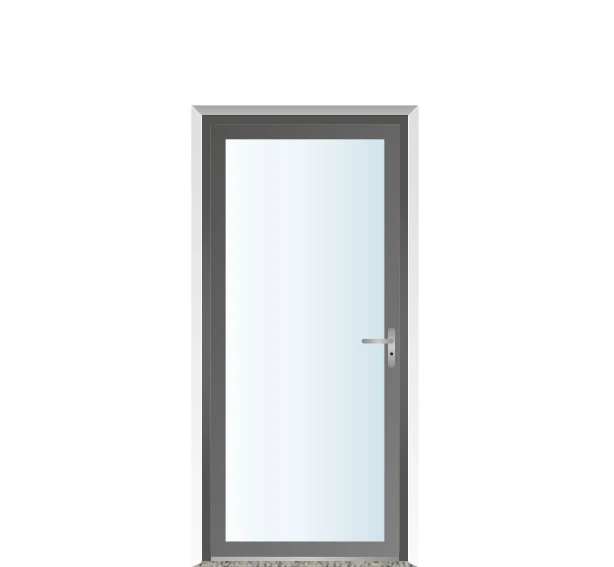
For commercial buildings looking for a lightweight yet durable option, aluminum storm-resistant doors provide an effective choice. Constructed from high-strength aluminum alloys, these doors deliver strong impact resistance and structural stability while remaining light enough to accommodate automatic sliding door systems. Their flexible design makes them suitable for storefronts, offices, and industrial settings.Aluminum storm-rated doors are highly resistant to rust and corrosion, making them especially beneficial in humid or coastal environments. Featuring powder-coated finishes, these doors are available in a variety of colors and styles, enhancing both the building’s aesthetic appeal and architectural harmony. Furthermore, aluminum doors can be fitted with impact-resistant glass panels, combining a modern, sleek look with robust security features.
Customizable Storm-Rated Doors
Commercial buildings often require storm-rated doors that can be customized to meet their specific architectural and functional needs. These doors can be designed to match particular size requirements, color schemes, glazing preferences, hardware choices, and automated features, ensuring they integrate smoothly with the building’s overall design and operational demands.To improve energy efficiency and reduce noise, custom storm-rated doors can be equipped with insulated panels and soundproofing elements. Specialized options such as rolling storm shutters, hurricane-rated garage doors, and impact-resistant sliding doors are also available for unique applications like loading docks, parking garages, and retail storefronts. Partnering with a reliable supplier like Mills & Nebraska allows commercial property owners to choose tailored solutions that comply with local building regulations while preserving both visual appeal and functional performance.
Advantages of Installing Storm-Rated Doors
Improved Building Security and Protection
One key advantage of storm-rated doors is their capacity to boost both building security and the safety of occupants. Designed to endure severe weather events, these doors help block wind infiltration, flying debris, and pressure fluctuations that could weaken the building’s structure. Beyond safeguarding against natural disasters, storm-rated doors also function as a deterrent against unauthorized access and break-ins. When equipped with advanced access control technologies and emergency panic hardware, they facilitate safe and quick evacuation during critical situations. The combination of reinforced frames and impact-resistant materials offers robust, all-around protection for commercial properties.
Defense Against Severe Weather Conditions
Storm-rated doors are engineered to shield commercial buildings from harsh weather events such as hurricanes, tornadoes, and intense thunderstorms. These doors comply with strict wind load and pressure resistance standards, enabling them to withstand strong winds, flying debris, and sudden pressure shifts, thereby reducing the risk of damage to the property. In areas vulnerable to hurricanes, like Florida, storm-rated doors play a crucial role in protecting occupants, equipment, and valuable assets. They prevent water intrusion and structural harm, helping to maintain the building’s integrity during extreme weather. Furthermore, the inclusion of impact-resistant glass and reinforced frames offers dependable defense against debris carried by the wind and pressure changes.
Meeting Insurance Standards
Installing storm-rated doors improves safety while also helping property owners comply with insurance regulations. Numerous commercial insurance policies mandate the use of storm-resistant doors and windows in buildings located in high-risk zones to be eligible for coverage. By adhering to the Florida Building Code and guidelines set by the Federal Emergency Management Agency (FEMA), building owners can lower their insurance costs and reduce liability risks related to storm damage.
Enhanced Energy Savings and Sound Insulation
In addition to providing safety and protection, storm-rated doors offer benefits in energy efficiency and noise control. Featuring insulated glass and strengthened panels, these doors help maintain consistent indoor temperatures, lowering heating and cooling expenses. Moreover, laminated impact glass combined with tightly sealed frames offers effective soundproofing, improving comfort levels within noisy commercial settings.
The Importance of Storm-Rated Doors for Commercial Buildings in Florida
Summary of Essential Information
Storm-rated doors represent a vital investment for commercial properties in Florida, where severe weather events such as hurricanes, tornadoes, and intense storms pose serious risks to both people and property. These doors are specifically engineered to withstand high winds, flying debris, and pressure fluctuations, thereby improving building security and occupant safety. Constructed from high-impact resistant materials like steel, aluminum, and laminated glass, storm-rated doors offer strength, energy efficiency, and noise reduction, ensuring reliable performance and comfort over time.
With a range of options available—including steel storm-rated doors, aluminum storm-resistant doors, and hurricane impact glass doors—businesses can select solutions that match their architectural preferences and operational requirements. Customizable features further allow for designs that enhance security while maintaining aesthetic harmony with the building’s overall look.
Why Investing in Storm-Rated Doors Matters for Florida’s Commercial PropertiesInvesting in storm-rated doors goes beyond regulatory compliance; it is about safeguarding your business, employees, and customers. These doors are designed to meet rigorous Florida Building Codes, providing protection against wind intrusion, water damage, and structural compromise. This helps reduce expensive repairs and limits disruptions to business operations.
Furthermore, adherence to local building codes and insurance standards can lower liability risks and may lead to reduced insurance premiums. Demonstrating a commitment to safety and compliance can also strengthen your business’s reputation and foster trust among clients and stakeholders in a competitive market.